
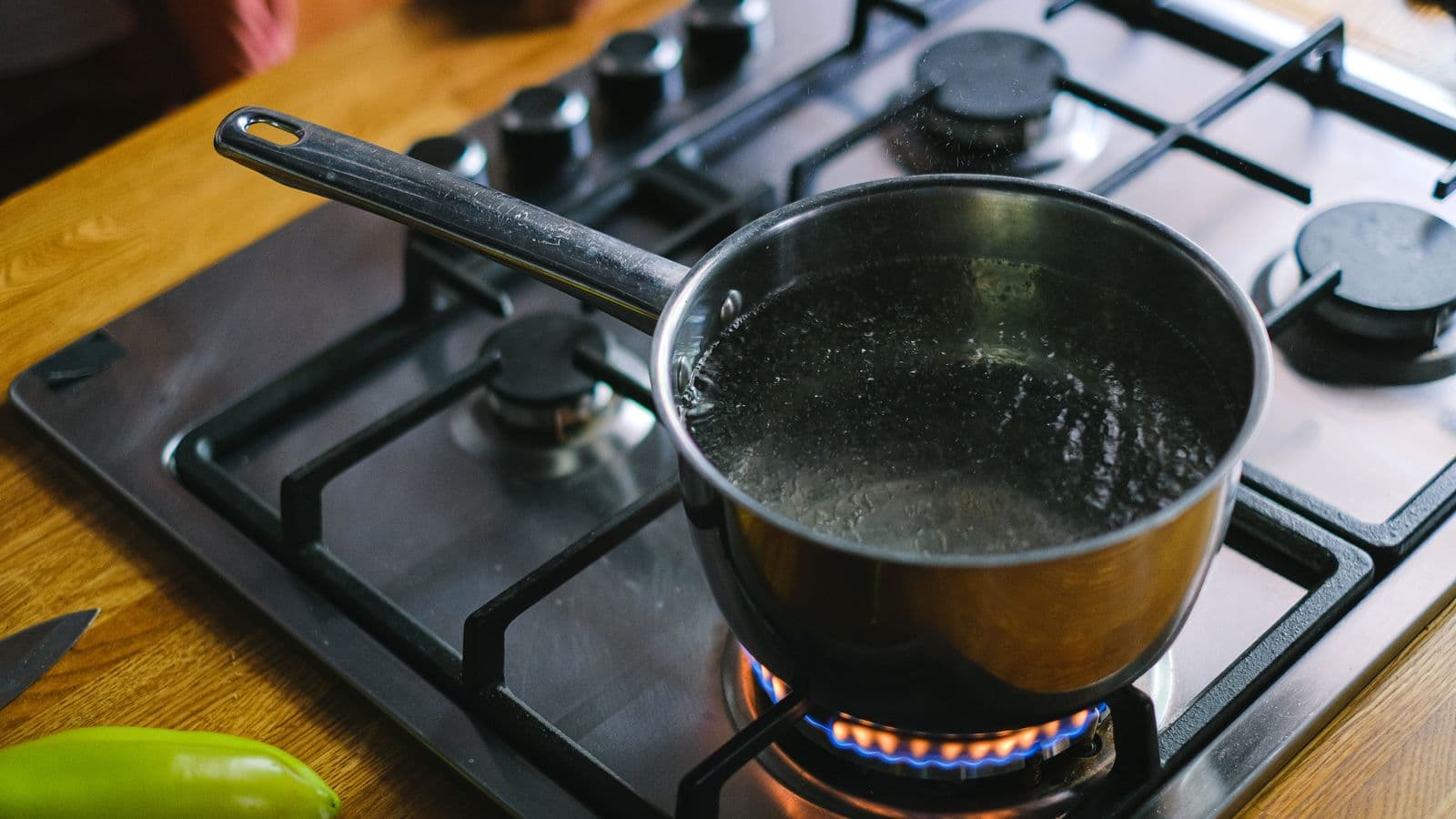
How much salt in pasta water, really
Practical guidance for salting pasta water: why to use 10 g per litre, when to add it, how to adjust for sauces and a step-by-step method to avoid mistakes.
Read the postHow to get the recipes you already saved in order — without starting over.
Practical guidance for salting pasta water: why to use 10 g per litre, when to add it, how to adjust for sauces and a step-by-step method to avoid mistakes.
Read the post
Three everyday situations where a recipe app won't help, with practical fixes to stop hoarding recipes on your phone and make a simple shopping list.
Read the post
Practical soaking and cooking times for chickpeas, beans, lentils and more. Includes a quick reference table, reasons legumes stay hard and a chickpea how-to.
Read the post
Practical rules to keep basil and parsley fresh: step-by-step storage, when to fridge or leave at room temperature, plus quick freezing ideas.
Read the post
Convert fresh yeast to active or instant dry yeast using the 3:1 rule. Examples, timings and practical tips so you don't ruin dough or change proofs.
Read the post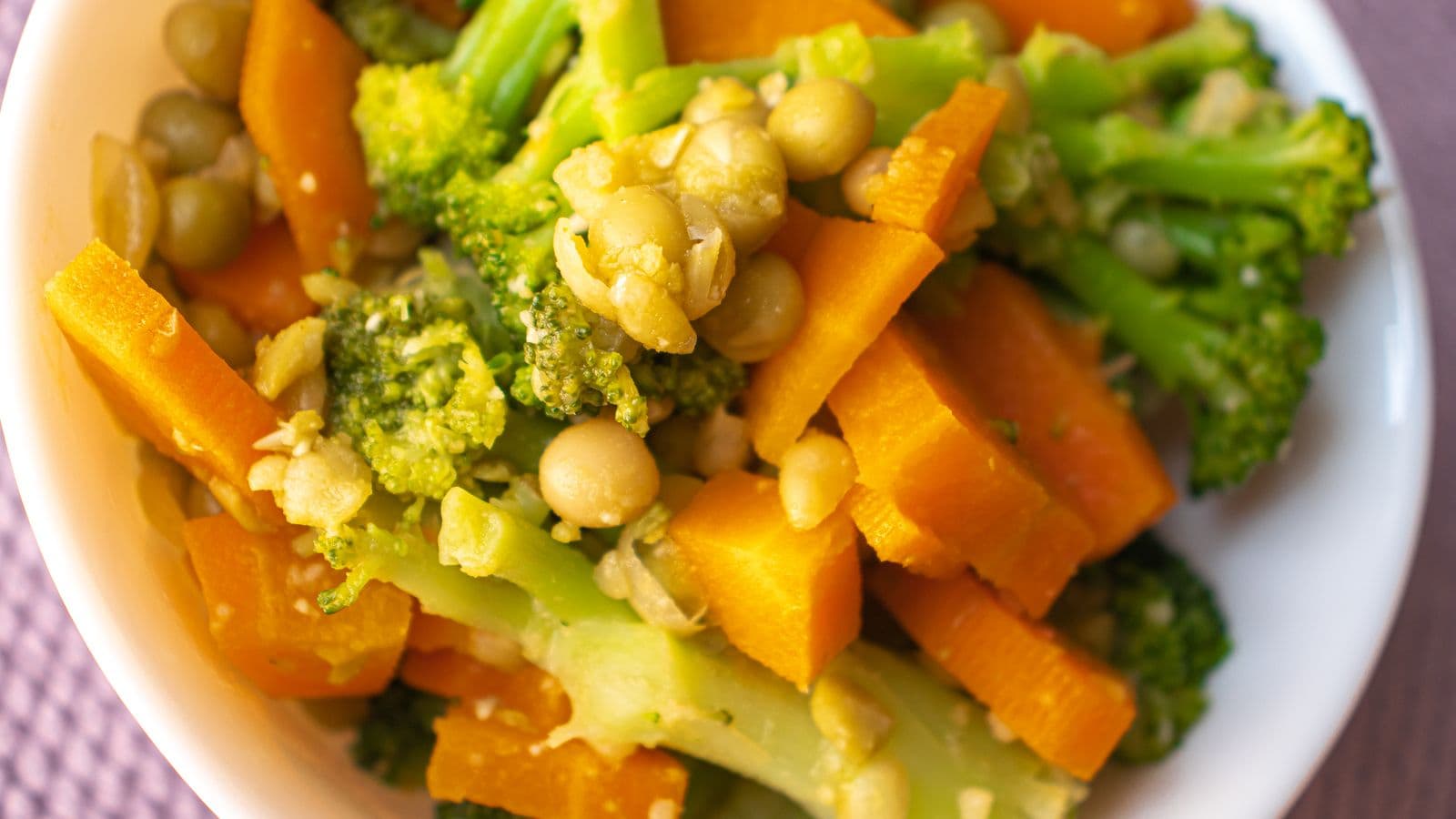
Clear, practical times for boiling, steaming, oven-roasting and pan-frying common vegetables. Includes a quick table, timing rule and doneness checks.
Read the post
Find out which dishes freeze well, which to avoid and follow an 8-step routine for cooling, portioning, packing and labelling to preserve flavour and cut waste.
Read the post
Find clear internal temperatures for chicken, pork, beef, fish and minced meat. Learn which temps mean safe vs tasty, where to probe and how to use a thermometer.
Read the post
Spot quick signals that a cooking video recipe was actually tested, and follow a simple 6-step mini-test to check ingredients, textures and timings before trying it.
Read the post
A simple, practical method to organise your recipes by month or season. Use two tags (ingredient + month), tidy favourites, and build a monthly shopping list.
Read the post
Plan a menu you can finish in minutes: choose make-ahead starters, reheat-friendly mains and ready desserts, with a step-by-step schedule to stay with guests.
Read the post
Practical tips to reduce household food waste: plan meals, shop with purpose, store perishables for visibility and keep herbs and leafy veg fresh longer.
Read the post
Practical plan to cook with kids and have dinner ready in 40 minutes: tasks by age, quick recipe ideas, a timed step-by-step routine and safety tips.
Read the post
In 90–120 minutes, organise recipes saved across Instagram, screenshots, browser bookmarks and notes into one searchable index.
Read the post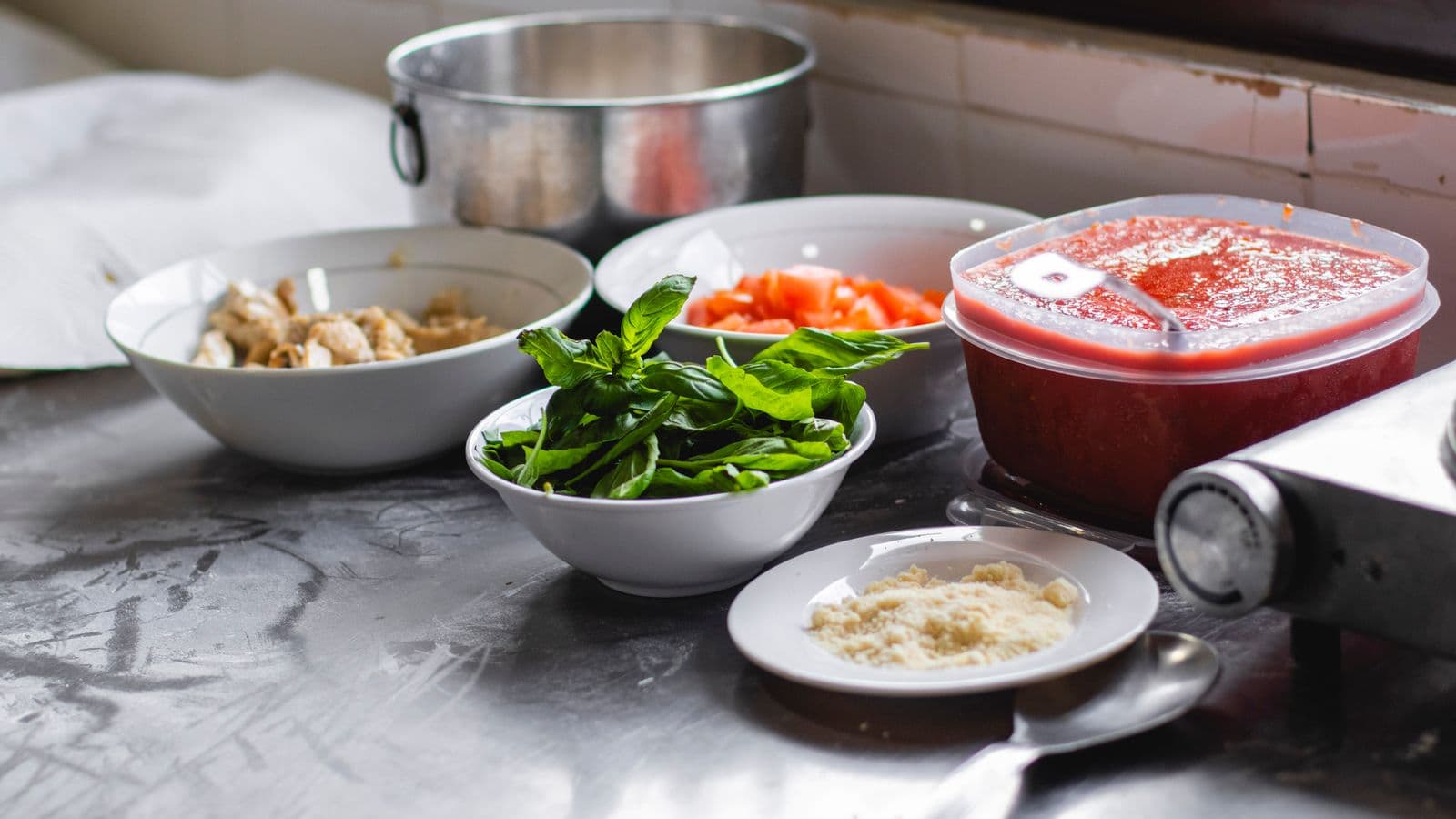
Prepare separate components - proteins, starches and veg - to mix and match across the week. Save time, cut waste and vary dishes with a few versatile sauces.
Read the post
A practical method to read your fridge by category, mix proteins, vegetables and carbs, and turn leftovers into fast dinners in 10-30 minutes.
Read the post
In two minutes learn to check permissions, privacy policy and data handling for recipe apps so you don't give access to contacts, photos or location.
Read the post
Stop endless screenshots: choose whether to share the recipe, the shopping list or the weekly plan. Send concise recipes and use a shared, updatable list.
Read the post
Practical guide to saving recipes from long, ad-filled web pages: use Reader Mode or Print to PDF, copy and clean ingredients and steps, or try automatic extractors.
Read the post
Save recipes from Facebook posts into searchable notes or apps so you can find, scale and cook them. Includes a quick five-step method and three practical options.
Read the post
Learn how to photograph recipe pages so ingredients, quantities and steps are readable, then choose manual typing, OCR or a recipe app to save them.
Read the post
Step-by-step advice to keep recipes sent via WhatsApp: download photos or audio, transcribe or save links, forward to a notes chat, tag them and add to your…
Read the post
Practical, reliable kitchen ingredient substitutions with precise quantities and simple rules — handy table and tips to finish recipes without going to the shop.
Read the post
Practical guidance on how long common leftovers keep in the fridge, steps to decide whether to keep or discard them, and tips to store them safely.
Read the post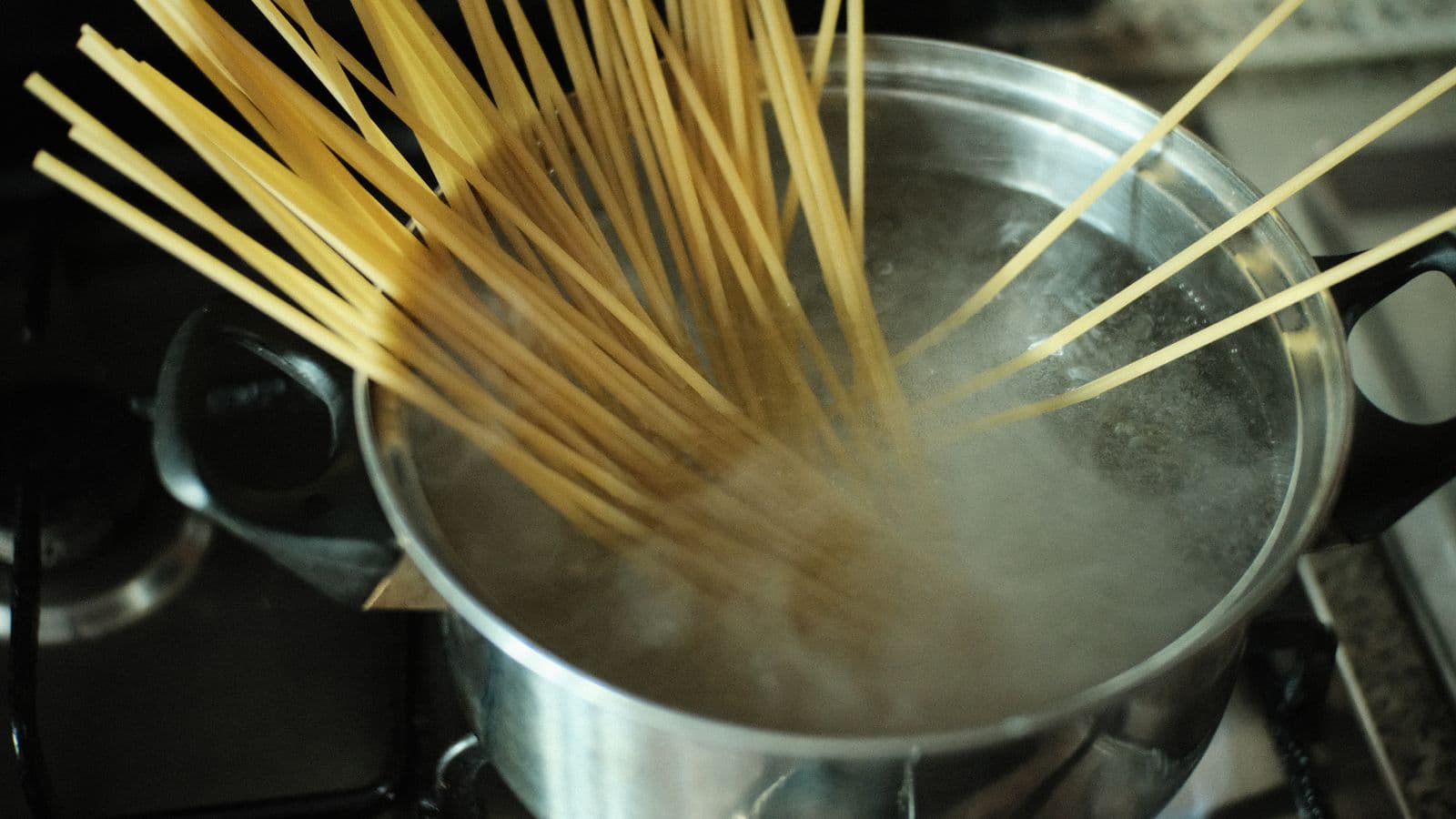
Quick guide to how many grams of pasta per person: standard portions, adjustments for sauces, fresh or filled pasta, measuring by eye and menu planning.
Read the post
Overwhelmed by saved recipes? Choose a simple rule to pick a quick, familiar dish, check your pantry, make a short shopping list and cook tonight.
Read the post
Short-form cooking videos often skip timings, textures and seasoning. Use this checklist and simple steps to reconstruct missing stages and get consistent results.
Read the post
Practical rules for cooking for one without wasting food: what ingredients to halve, what to buy whole, and simple plans to turn leftovers into new meals.
Read the post
Practical guide to halving recipes for two: halve most ingredients 1:1, but adjust eggs, yeast, salt, spices and cooking times. Includes rules, numbers and tips.
Read the post
Work backwards from your chosen mealtime, set countdown timers on your phone or oven, and use a 15-minute reminder to synchronise three dishes perfectly.
Read the post
Turn a handwritten or printed recipe book into editable digital recipes using your phone and OCR apps. Tips for photographing, organising and fixing errors.
Read the post
Think 'no ads' means free? Before you pay, check who funds the app, what data is shared, subscription terms, and whether recipes remain available offline.
Read the post
A practical 10-minute method to plan your week's meals: the 5-dish rule, a short modular shopping list and simple meal-prep steps to save time and cut food waste.
Read the post
Turn web pages, posts and videos into organised offline recipes you can consult while cooking. Practical methods for phones and computers, no downloads needed.
Read the post
Practical guide and quick table to convert cups into grams for common ingredients (1 cup ≈ 240 ml). Includes simple rules and a step-by-step method.
Read the post
Save time and avoid kitchen mishaps by checking five key points before you start cooking: ingredients, timings, equipment, steps and serving sizes.
Read the post
Is your Notes app overflowing with recipes? Use practical criteria to decide whether to keep using notes or switch to a dedicated recipe app.
Read the post
Seven must-have features for a digital recipe book: ingredient search, video/photo import, portion scaling, shopping lists, cook mode, offline use and organisation.
Read the post
Pick ten reliable dinners you can cook in 30 minutes. Make a weekly shopping list with overlapping ingredients and group items by aisle to save time and stress.
Read the post
Practical guide to converting cups, tablespoons, ounces and °F for English/US recipes. Quick tables, common mistakes and simple conversion steps.
Read the post
Quickly tidy your camera roll and find recipes. Follow an 8-step, 30–45 minute routine to sort screenshots, extract ingredients, make notes and set reminders.
Read the post
Choose the recipe app that you'll actually use: decide if you need video import, recipe extraction, organisation or a cook mode.
Read the post
Practical tips to cook without touching your phone: prepare the device, turn recipes into short visible steps, and use voice commands and timers — no apps needed.
Read the post
Quickly get ingredients, quantities and steps from YouTube recipes without rewatching. Use Cucinario or quick manual methods with transcripts, OCR and screenshots.
Read the post
Practical rules to rescale recipes: calculate factor f, multiply flour and liquids, use about 2/3 for salt, 3/4 for leavening, and weigh eggs.
Read the post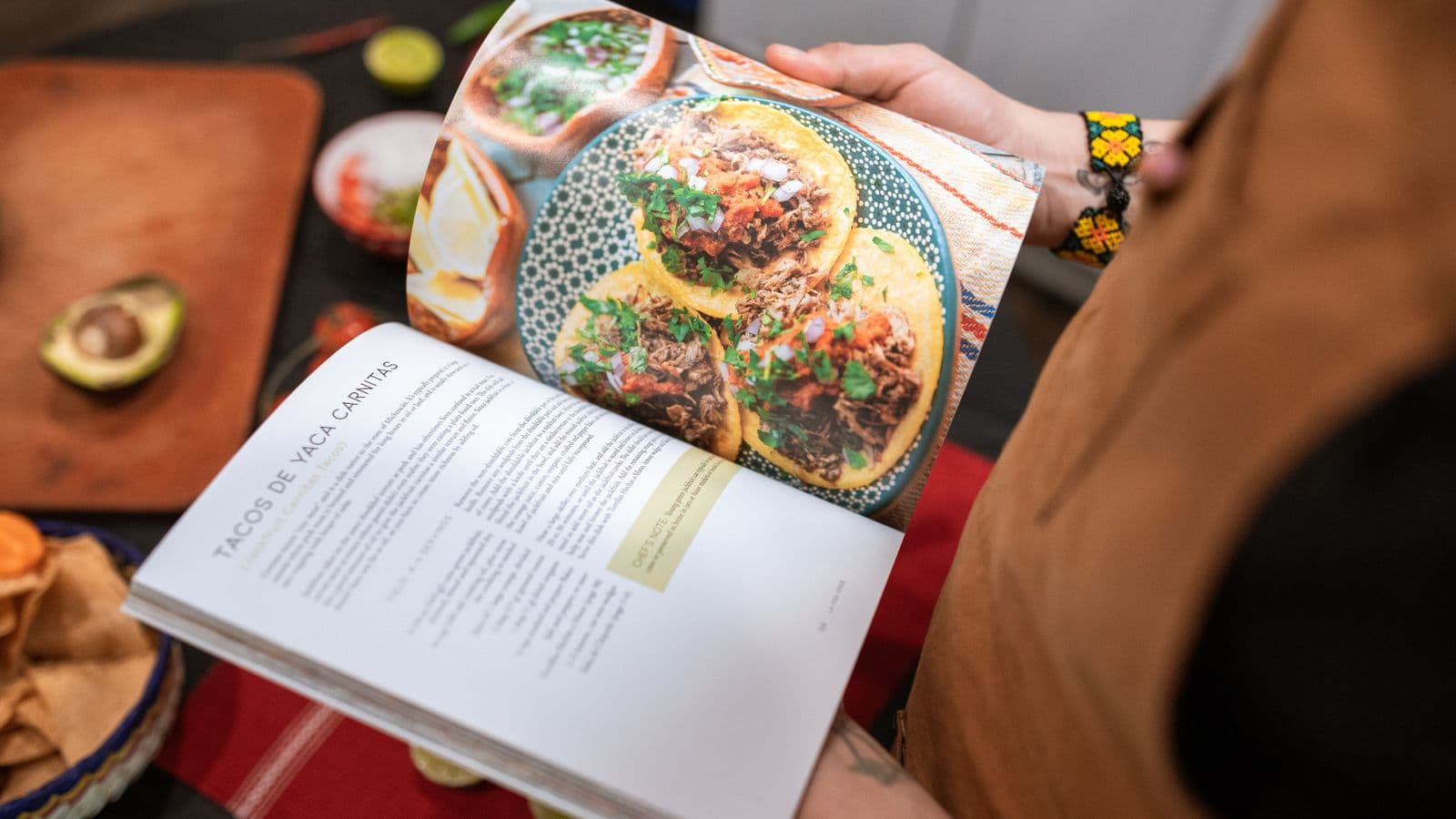
How to photograph, transcribe and preserve your grandmother's handwritten recipes using just a phone. Tips for lighting, shots, shopping lists and notes.
Read the post
Practical checklist for exporting recipes from apps: key questions to ask, three quick tests to try now, and simple backup options for peace of mind.
Read the post
Learn three practical ways to turn cooking videos into written recipes — manual, semi-automatic transcription and automated tools, with step-by-step tips and limits.
Read the post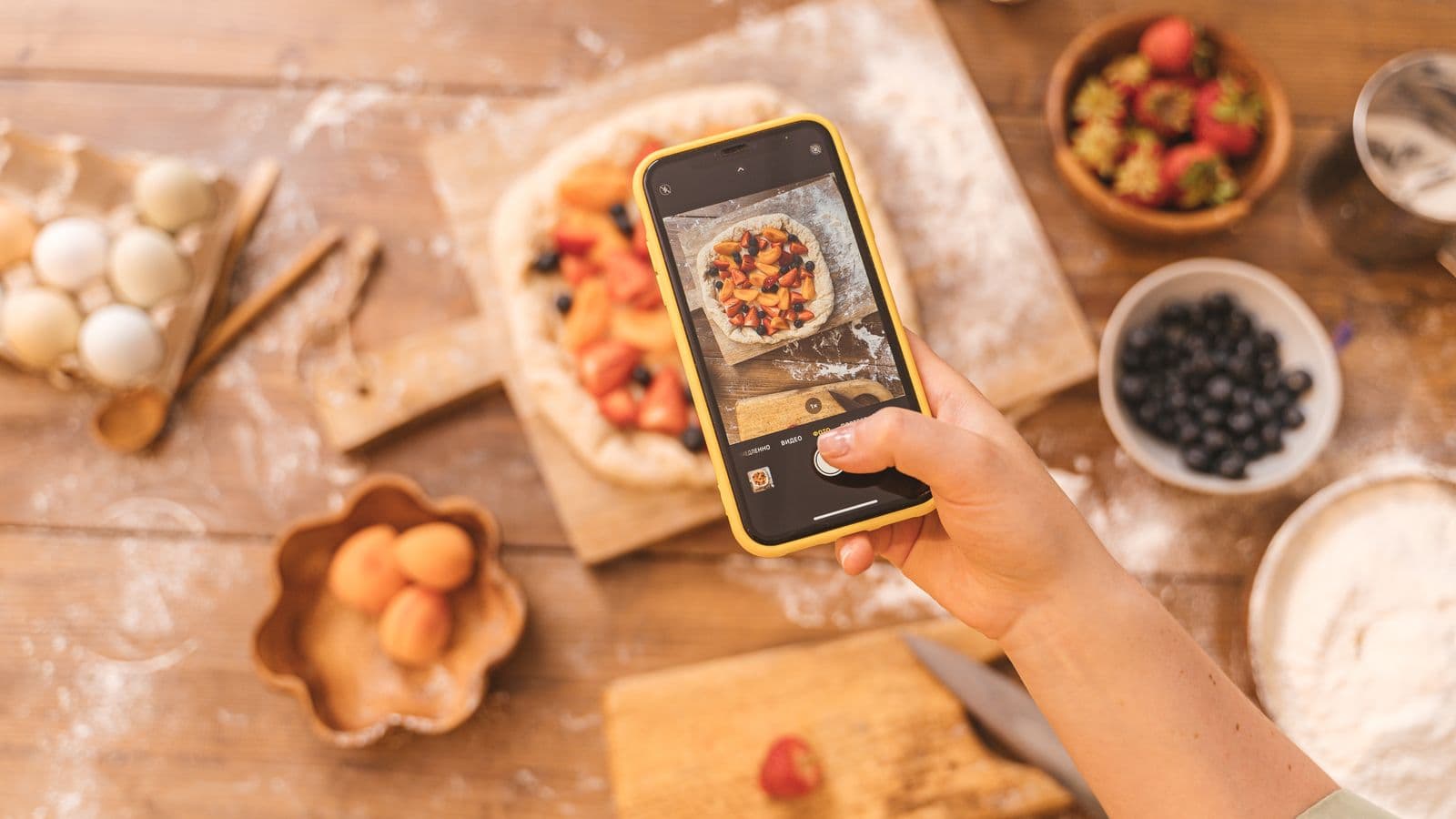
A quick method to turn saved Instagram reels into recipes you can search and cook. Capture ingredients, timings and notes on your phone and organise them.
Read the post
Quick, practical method to sort hundreds of saved recipe posts and videos. Use a simple rule, batch processing sessions and a tidy digital recipe book.
Read the post
Five practical questions to ask before you trust an app to save recipes from TikTok: can it extract ingredients and steps, help you find recipes, protect privacy?
Read the post
You're cooking and keep replaying a reel to check quantities. Discover why short videos omit clear measures and what to do before you turn on the hob.
Read the postPhotos provided by Pexels