Waste Less Food: Where It's Really Lost and What to Do
Practical tips to reduce household food waste: plan meals, shop with purpose, store perishables for visibility and keep herbs and leafy veg fresh longer.
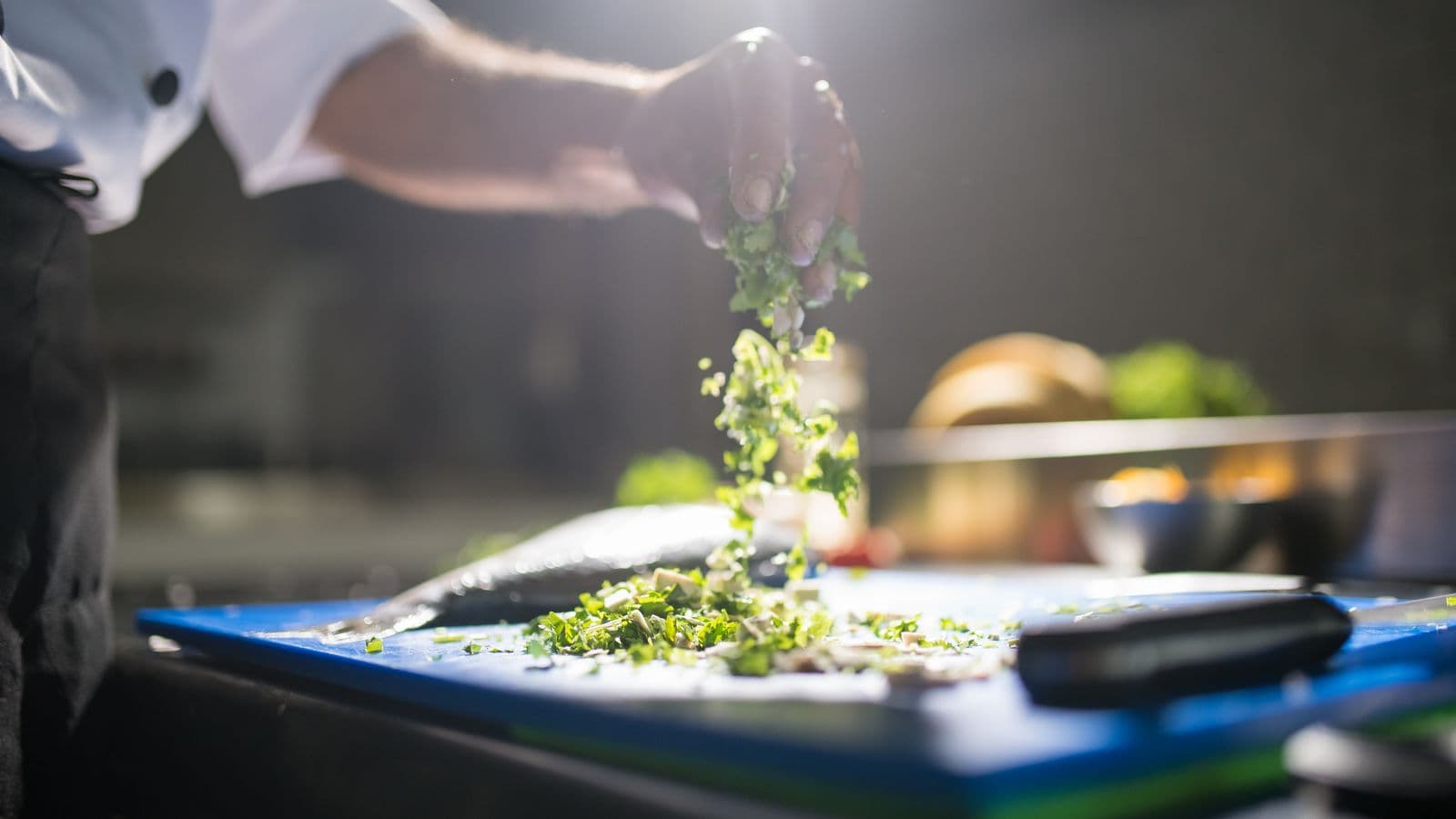
Photo: Kampus Production · Pexels
If every week you find limp vegetables in the crisper and feel bad about throwing them away, the problem is often not that you can’t follow a recipe: it’s the shopping and the storage. You buy more than you need, put ingredients in the wrong places and then forget them.
Where food really gets wasted
The short answer: waste starts at shopping and storage, not at the end of the week. Buying based on images rather than real meals leads to duplicates; storing without order ruins the more fragile vegetables. Work on these two points and you’ll reduce what ends up in the bin and cook with less stress.
Concretely, many people buy things because they seem useful, not because they already have a plan to use them. Or they put a bag of salad at the back of the drawer where it isn’t seen. Stop that flow: make fewer pointless purchases and put everything where you can see and use it.
Shop with a purpose: avoid waste
Make the shopping list thinking of concrete meals for the next few days, check what you already have and buy only the quantities needed for those dishes. Buy perishables last, prefer loose-pack options for vegetables you rarely eat and group the list by aisle so you don’t have to go back.
Simple steps to follow before you head out:
- Open the fridge and the cupboards: write down three meals you actually want to eat over the next three days.
- Note the missing ingredients on the shopping list, avoiding alternatives you won’t use straight away.
- Buy perishables (salad, herbs, dairy) in the final minutes before you go to the till.
- If possible, choose smaller quantities or loose items to try before committing to large packs.
- When you return home, put the shopping away immediately for visibility: place items that expire first at the front.
If you often end up saving recipes from social media or videos and never cooking them, a shortcut is to turn those saves into organised recipes and one single shopping list: Combine ingredients from three recipes and make the shopping list explains how to blend them. If you prefer automatic help, Cucinario can turn a link or a photo into a structured recipe and merge ingredients by aisle.
Storage that saves vegetables
Good storage means you won’t have to buy replacements: separate delicate vegetables, use transparent containers and label them with the date. Not everything goes in the drawer: some things are better kept outside the fridge and others last if dried and wrapped.
Practical tips:
- Put delicate leaves in airtight containers with a sheet of kitchen paper.
- Herbs last better as small bunches in a glass of water, lightly covered.
- Use breathable or perforated bags for mushrooms and salad; avoid sealed bags that trap moisture.
- Arrange the fridge for visibility: clear jars and stackable boxes show you what’s inside.
- Label jars and leftovers: a note with the date prevents them being forgotten.
Small investments in containers and how you place food in the fridge pay off because you cook what you have instead of buying more.
Leftovers and scraps: turn them into meals
Don’t think of leftovers as rubbish: they have value. Dedicate one evening a week to recycling what’s in the fridge, use scraps to make stock and always keep a jar in the freezer for peels and stems. With a few rules you can turn everyday cooking into a small virtuous cycle.
How I reuse leftovers, step by step:
- Check leftovers and separate those still perfect from vegetable trimmings or bones.
- Recombine: pairing carbohydrates (rice, pasta) with vegetables and a protein creates a new dish.
- Revive: a quick pan-fry, an oven finish or adding an egg can bring new life.
- Freeze portions you won’t use within a few days, labelling them with the contents.
- Put peels, stems and untreated leaves in a bag in the freezer to make stock when you have enough.
For practical ideas on choosing a recipe to use straight away instead of just saving it, read Too many saved recipes? Cook just one tonight.
Frequently asked questions
How do I make a shopping list without buying too much?
Make the list starting from concrete meals, not from a desire to try something new. Check what you already have in the fridge and cupboards, then add only the missing ingredients. Group items by aisle and note the actual quantities needed for each dish before you go out.
How much can I trust leftovers in the fridge?
Check appearance and smell: foods that have changed colour, smell or texture should not be eaten. If they still look fine, reheat them until they’re evenly hot. Freeze portions you won’t use within a few days to avoid later waste.
How do I avoid forgetting vegetables in the drawer?
Put items that will expire first at the front and use transparent containers. Set aside one day a week to check the fridge and plan meals with what you find. Label and prioritise vegetables that might expire within two days.
What can I do with vegetable peels and stems?
Collect them in a bag in the freezer: when you have enough, boil them for a vegetable stock. Many peels and ends add flavour without needing to be wasted. Other scraps, like tougher leaves, can go into smoothies or be chopped up for dressings.
One thing to do now
Open the fridge, take a sheet of paper and write three real meals for the next three days. Tick off what you already have and add only the rest to the shopping list. If you often save recipes from videos, try reading Saving recipes from Instagram and actually finding them again so you don’t lose them and you actually cook them.
Good luck: a few simple habits and you’ll throw away less, cook more and spend less time worrying about what to eat.