How much salt in pasta water, really
Practical guidance for salting pasta water: why to use 10 g per litre, when to add it, how to adjust for sauces and a step-by-step method to avoid mistakes.
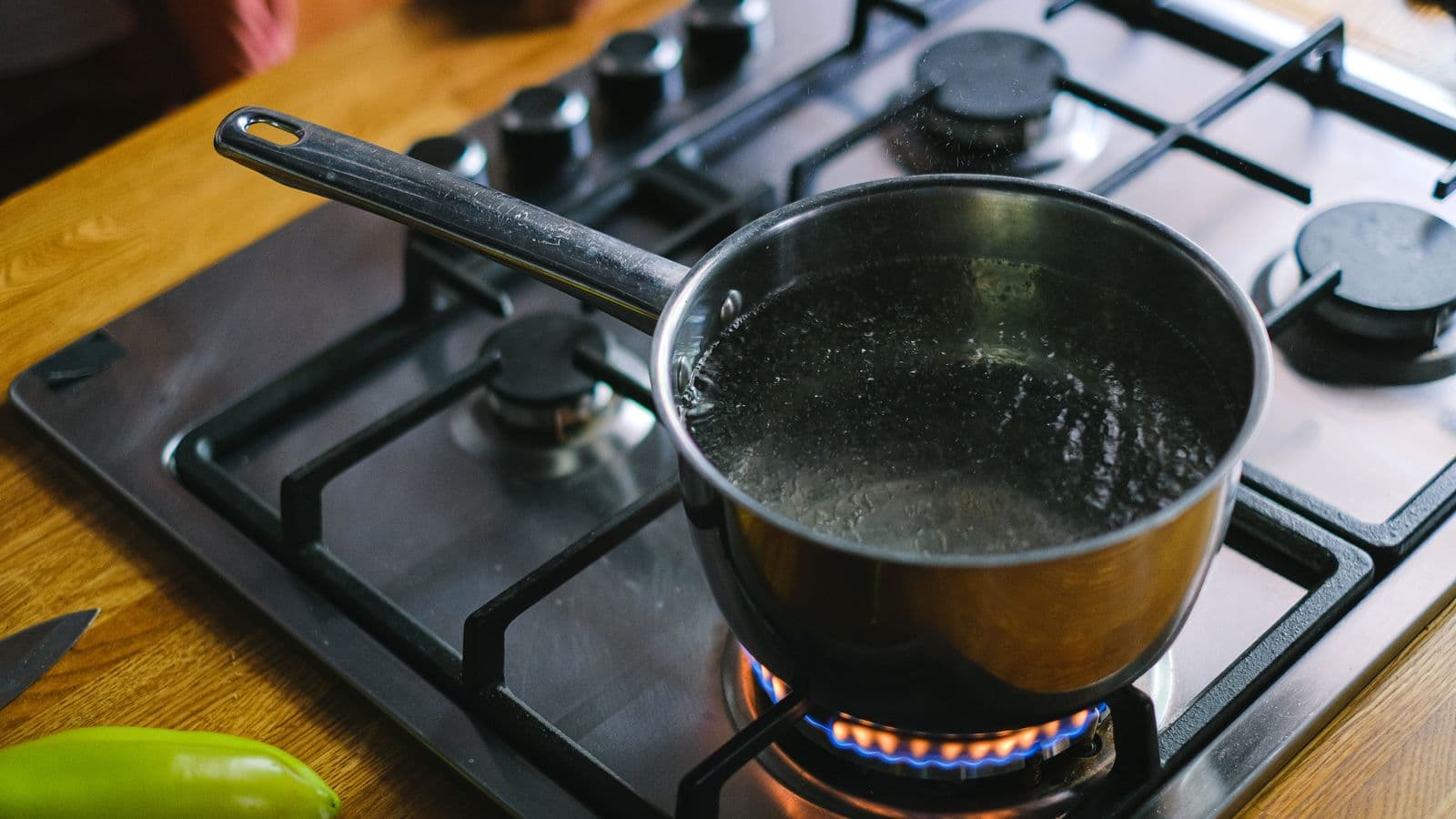
Photo: Anna Shvets · Pexels
If you've heard "10 grams per litre" and you're sceptical, you're in the right place. Here you'll find the quick answer, a conversion table for the most commonly used pots and practical guidance on when and how to vary it depending on the sauce.
Short answer: how many grams per litre and why to use them
Use about 10 grams of salt for every litre of water (that is roughly a 1% concentration). It's a practical rule that makes the pasta savoury in the centre without making it too salty once it's dressed. Start here and adapt according to the sauce and the diners.
| Water (L) | Salt (g) | Salt ≈ teaspoons (fine salt) |
|---|---|---|
| 1 | 10 g | 1½–2 teaspoons |
| 2 | 20 g | 3–4 teaspoons |
| 3 | 30 g | 4½–6 teaspoons |
| 4 | 40 g | 6–8 teaspoons |
| 5 | 50 g | 7½–10 teaspoons |
This table gives you practical figures for any pot. If you prefer to weigh, 10 g per litre is the simplest measure to remember.
Why 10 g per litre works (short answer)
This amount brings the water to about 1% salinity, which is enough to transfer flavour to the pasta while it cooks. Pasta absorbs water and salt: by salting the water the seasoning and structure are balanced, without having to overload the sauce with salt later.
If you use too little salt, the pasta will taste bland even with a moderately flavoursome sauce. Too much salt, on the other hand, not only makes the pasta unpleasant but can make it impossible to correct the seasoning with the sauce.
When to add the salt (short answer)
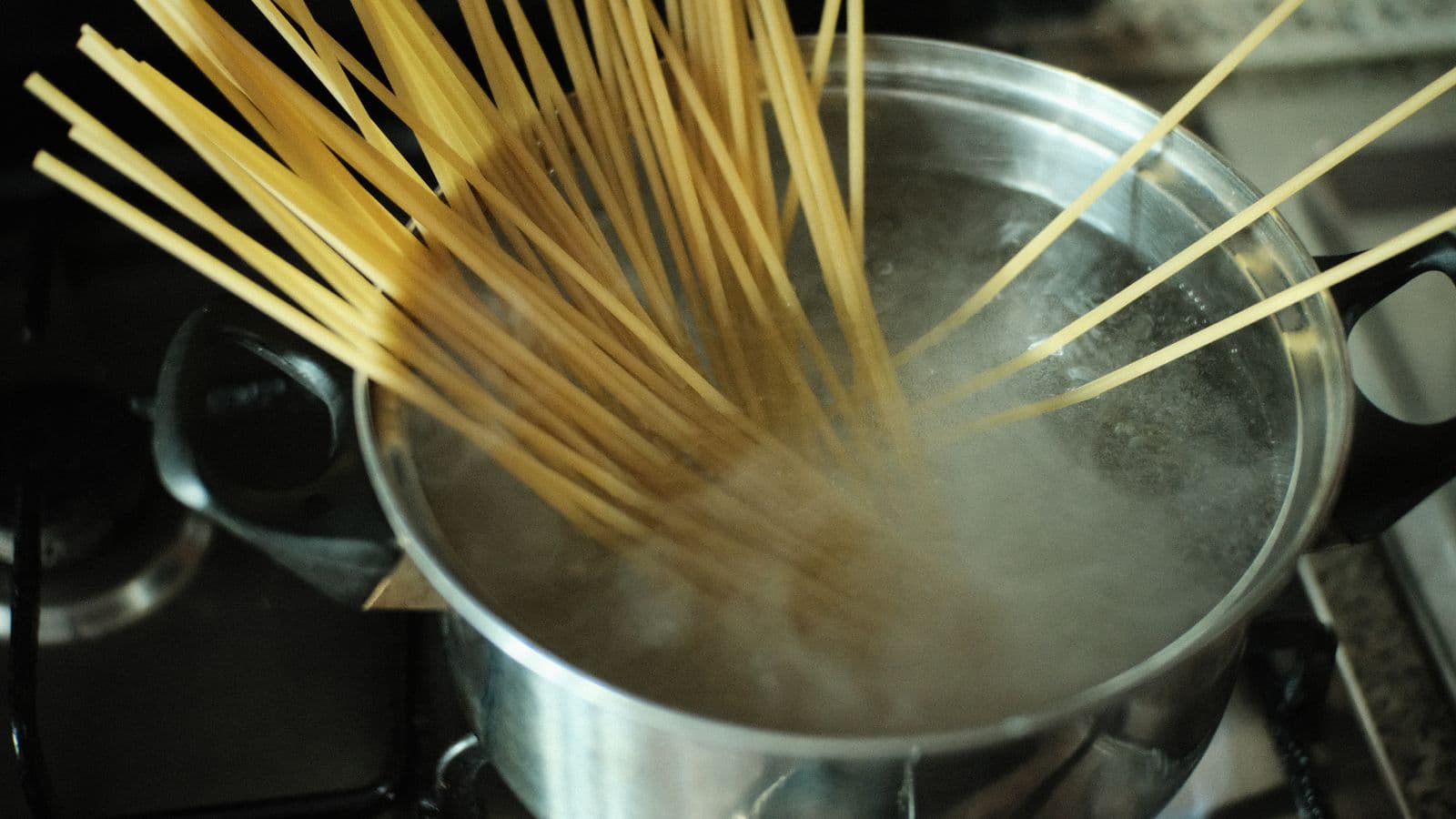
Salt the water when it is at a full boil but just before adding the pasta. The salt dissolves quickly in hot water and once the pasta is in it begins transferring salt to the starches. Adding it very early isn't necessary and can slightly slow the boil if you use large amounts.
Putting the salt in after the water boils also prevents prolonged corrosion of less durable pots and allows it to dissolve and distribute evenly.
How to adjust the salt depending on the sauce and step-by-step procedure
If the sauce is very savoury (anchovies, capers, olives, pecorino, cured meats) halve or slightly reduce the salt in the water. If the sauce is delicate (unsalted fresh tomato, butter and sage) keep the 10 g/L. When you use stock as the cooking liquid, bear in mind that it's already salted.
Simple procedure to avoid mistakes:
- Work out the amount: multiply the litres of water by 10 g. For 3 L you'll need about 30 g.
- Bring the water to a full boil.
- Add the salt and stir to dissolve it.
- Add the pasta and stir during the first 30 seconds.
- Taste halfway through cooking: if it lacks flavour, you can slightly adjust the sauce; adding salt directly to boiling pasta is less effective.
Practical tip: set aside a ladle of the cooking water. If the sauce is too dry, that salty liquid helps bind and balance the flavour without adding dry salt.
Alternatives and small adjustments (short answer)
If you use coarse salt, weigh it when possible: the grains take up more volume and the teaspoon becomes inaccurate. For those who need to reduce sodium, soften the flavour with herbs, vinegar or lemon zest in the sauce. Salt can be partially replaced with preparations like anchovies or cheeses, but watch out for hidden sodium.
For recipes that require substitutes or changes to the salt, read this practical list of ingredient substitutions. To better manage cooking times, use a multi-timer method: this article on kitchen timers is useful for coordinating sauce and pasta.
Frequently asked questions
Exactly how much salt per litre of water should I add?
The common rule is 10 grams per litre, easy to remember and fairly universal. If you have elderly people or guests with sodium restrictions, reduce it; if the sauce is very bland you can keep the standard dose. It's better to weigh the salt for consistency between preparations.
When is the best time to add salt to the water?
Salt the water as soon as it reaches the boil, just before adding the pasta. This way the salt dissolves quickly and the pasta absorbs the salt during cooking. Adding it too early doesn't help the pasta and can slightly slow the initial boil.
If my sauce is already salty should I reduce the salt in the water?
Yes: if the sauce contains savoury ingredients (anchovies, capers, cured meats, aged cheeses) reduce the amount of salted water. Consider the final flavour: it's preferable to have the pasta slightly under‑salted and adjust the sauce, because it's easier to bring the dish up to the right salt level than to take it down.
What happens if you don't salt the pasta water?
The pasta will remain bland in the centre, even with a flavoursome sauce. Salt is one of the main ways to transfer flavour into the pasta while it cooks; without it the flavour profile of the dish will be less full and harmonious.
Can I use coarse or sea salt instead of fine salt?
Yes, but measure in grams when possible. Volume changes with grain size: a teaspoon of coarse salt contains less salt by weight than one of fine salt. Weighing the salt avoids mistakes and ensures consistency.
If you want to save a recipe found online — link, video or photo — and turn it into instructions with ingredients and quantities ready to use, Cucinario does it quickly: useful when you are experimenting with quantities and want to replicate the result.
One thing to do straight away: next time you cook pasta weigh the salt for a single pot (even 10 g per litre) and note down the result. After two or three tries you'll understand how much to adapt it to your taste.