Kitchen ingredient substitutions: a practical list that works
Practical, reliable kitchen ingredient substitutions with precise quantities and simple rules — handy table and tips to finish recipes without going to the shop.
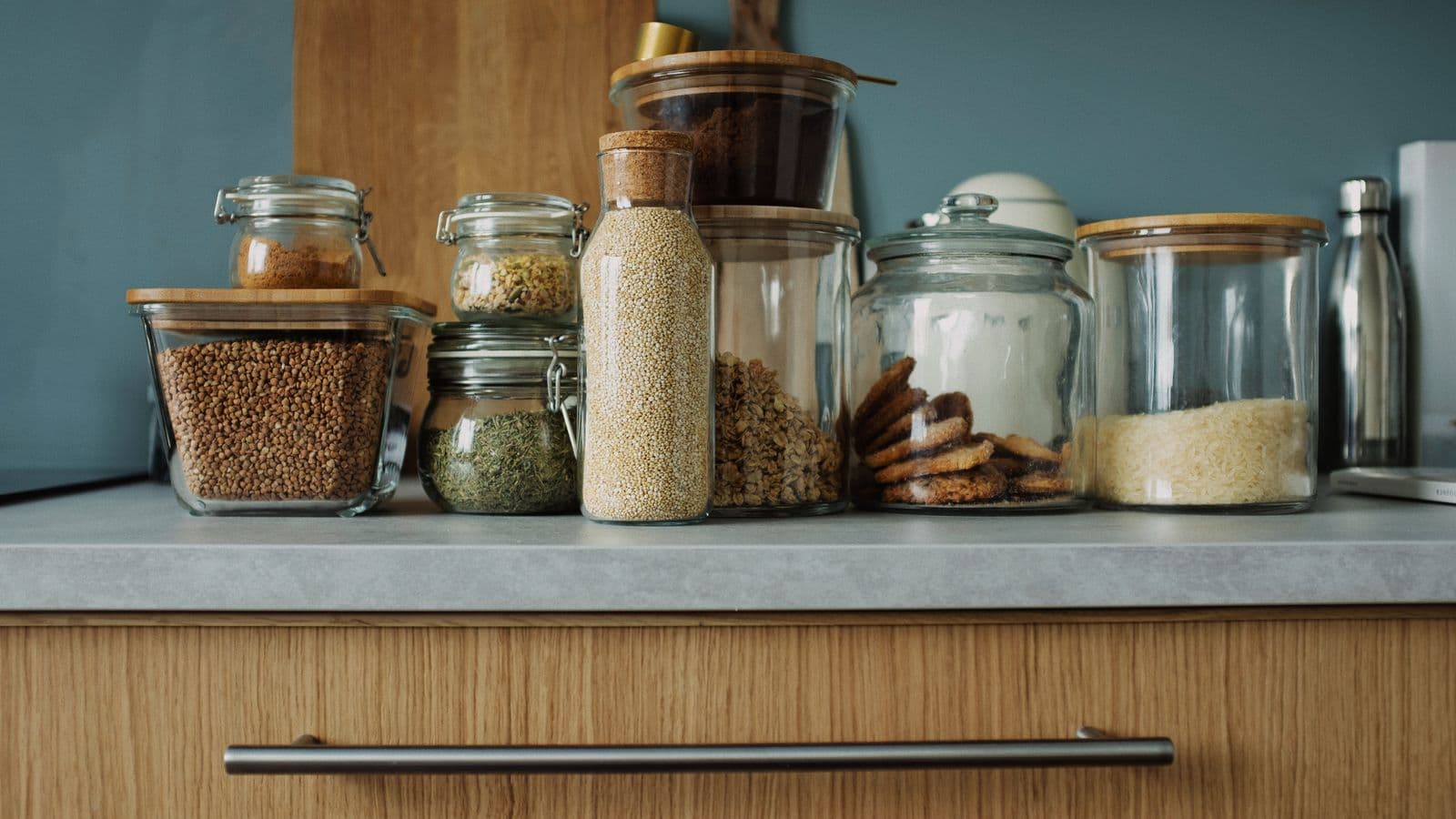
Photo: ready made · Pexels
If you're missing an ingredient and don't want to leave the house, here's the quick answer. Below you’ll find the table with the most reliable substitutions and immediate quantities. Then the practical rules so you don't ruin the recipe.
Quick table: substitutions and amounts
| Ingrediente | Best substitute | Approximate amount / Note |
|---|---|---|
| 1 egg (baking) | Ground flaxseed + water | 1 tablespoon seeds + 3 tablespoons water (let sit 5 minutes) |
| 1 egg (whites/meringues) | Aquafaba (liquid from chickpeas) | 3 tablespoons per 1 white; whips like an egg white |
| 1 cup butter (baking) | Vegetable oil | ¾ cup oil for 1 cup butter (cookies OK) |
| 1 cup cream | Milk + butter | ¾ cup milk + 1/3 cup melted butter = 1 cup cream |
| 1 cup white sugar | Honey | ¾ cup honey for 1 cup sugar; reduce liquids by ¼ cup; lower oven ~15°C |
| 1 cup farina 00 (all-purpose) | Different flour types | Watch absorption; adjust liquids |
| 1 cup farina 00 → cake flour | Quick substitute | 1 cup all-purpose flour: remove 2 tbsp and replace with 2 tbsp cornflour = 1 cup cake flour |
| Fresh yeast | Instant dry yeast | Use about 1/3 of the fresh weight: 15 g fresh ≈ 5 g dry |
| 1 tsp baking powder | Bicarbonate + cream of tartar | 1/4 tsp bicarbonate + 1/2 tsp cream of tartar ≈ 1 tsp baking powder |
Keep this table in view when you open the fridge. It saves you pointless experiments.
Simple rules before substituting
- Understand the ingredient’s role. Is it a binder (eggs), a fat (butter/oil), a leavening agent (yeast/baking powder), moisture (milk, yoghurt) or flavour (herbs, lemon)? Replace with something that performs the same function.
- Make small liquid adjustments. Many substitutes (oil, honey, fruit purées) change moisture. If the batter or dough looks too wet or too dry, correct in small steps (a tablespoon at a time).
- Think about cooking temperature. Some swaps (honey for sugar, homemade cream) change browning and cooking speed: lower the oven by about 15°C if you use liquid sugars.
- Taste before baking. If the substitution changes flavour (sauces, dressings), adjust salt, acidity or herbs.
These rules will save you time and mistakes.
Substitutions by category: what really works
Eggs
- In baked goods that only need binding (pancakes, muffins): 1 tablespoon ground flaxseed + 3 tablespoons water per egg.
- For whipped whites or meringues: aquafaba (3 tablespoons per 1 white). Not always perfect for very delicate desserts.
Butters and oils
- For baking and doughs: margarine or vegetable oil at a ¾ ratio to butter (oil:butter = ¾). Cookies can turn out softer.
- For laminated pastries (puff, croissants): butter is difficult to replace; don’t expect the same result.
Flours
- If you don’t have cake flour: 1 cup all-purpose flour — remove 2 tbsp and replace with 2 tbsp cornflour → finer flour.
- Gluten-free flours: require blends with xanthan gum or a ready mix; the same volume doesn’t always work.
Leavening
- Fresh yeast → instant dry yeast: use about 1/3 of the fresh weight (15 g fresh ≈ 5 g dry).
- Baking powder → bicarbonate + cream of tartar: 1 tsp baking powder = 1/4 tsp bicarbonate + 1/2 tsp cream of tartar.
Milk and cream
- Cow’s milk ↔ plant milk (soya, oat): 1:1 for cooking and most savoury preparations.
- Cream: ¾ cup milk + 1/3 cup melted butter = 1 cup cream for cooking. Not always suitable for whipping.
Sweeteners
- White sugar → honey or syrup: use ¾ of the sugar amount; reduce liquids and lower the oven by ~15°C.
- Moist sugars (brown sugar) give more moisture: if you replace them with white sugar, add 1–2 tablespoons molasses or honey to recreate moisture.
Herbs and aromatics
- Fresh herbs → dried: use 1/3 of the amount (e.g. 1 tablespoon fresh = 1 teaspoon dried). Citrus zest is more concentrated.
When not to try substituting
- Delicate emulsions: mayonnaise and some egg-based sauces can split with improvised substitutes.
- Puff pastry and laminated yeasted doughs: the quality of the butter and the technique are hard to replicate with margarines or oils.
- Meringues and soufflés: the air trapped in egg whites is hard to replace at the same height and lightness.
If you’re managing multiple preparations at once, plan timing: reading Kitchen timer: manage three preparations without mistakes helps you coordinate different cooking times when a substitution lengthens or shortens them.
Practical procedure: substitute an ingredient in 6 steps
- Identify the function: binder, leavening, fat, liquid or flavour.
- Choose the substitute with the same function (see table above).
- Calculate the amount: use the indicated quantities or adjust 10–20% at a time.
- Adapt liquids: reduce or add water/milk in small increments.
- Change temperature/time if you use liquid sugars or different fats (temperature −15°C as a practical rule).
- Taste and correct: salt, acidity, spices.
Quick example: you’re out of eggs for pancakes. Follow the steps: function = binder; substitute = 1 tbsp ground flaxseed + 3 tbsp water; mix, let rest, cook as usual. If batter is too thick add 1–2 tablespoons milk.
Common practical examples
- carbonara without cream: if you’re missing a whole egg to bind, don’t replace it with cream for an authentic result; better to use a single yolk and loosen slightly with some pasta cooking water.
- Brownies without butter: use vegetable oil (¾ of the butter amount) and you’ll get a fudgier but less crumbly brownie.
- Quick bread without fresh yeast: use instant dry yeast (1/3 of the fresh weight) or increase rising time if you’re using sourdough starter.
If you want a short reminder on how to combine ingredients from multiple recipes and prepare a coherent shopping list after making substitutions, see Combine ingredients from three recipes and make a shopping list.
Practical truths
- Not all substitutions will give you the same visual result. Function and appearance are different.
- Try substitutes on small batches when possible.
- If the recipe is a technical classic (sourdough, puff pastry, meringue), it’s better not to substitute.
To finish: if the substitution forces you to rewrite amounts and portions, an app that automatically rescales portions can save you calculations. Cucinario, for example, rescales the amounts and rewrites quantities when you import a recipe, so you immediately see the new measures.
One thing to do now: when you open the fridge, copy this table onto your phone or print it. It saves you from going out and from an extra trip to the shop.