Read the whole recipe before you start: 5 essential checks
Save time and avoid kitchen mishaps by checking five key points before you start cooking: ingredients, timings, equipment, steps and serving sizes.
Photo: Davis Arenas · Pexels
Do you ever start a recipe and stop halfway because you’re missing an ingredient or it needs a two‑hour rest? It always happens when you’re already with your hands in the dough and your hunger is rising.
What you need is a quick routine to read the recipe before you turn on the hob. You don’t have to be a chef: five clear checks are enough to save you time and stress.
Why reading the whole recipe really changes the result
Not reading it is a waste of resources and, often, of flavour. Some common mistakes:
- Missing ingredients or ambiguous amounts. You stop and waste time looking for substitutes.
- Unanticipated resting or cooking times. Proofing, chilling or marinades change the outcome.
- Incorrect order of operations. Combining ingredients at the wrong time can ruin texture or prevent a sauce from emulsifying.
- Wrong tools. A pan that’s too small or a missing blender complicates execution.
Reading the whole recipe is the simplest way to anticipate these obstacles. It also lets you turn the recipe into a proper mise en place: everything ready when needed.
The five points to check before you turn on the hob
Here’s how to read a recipe effectively. Check these points in order: they’re quick and will spare you interruptions.
- Ingredienti e quantità
- Check that all the listed ingredients are present. If any are missing, note what you need to buy on a shopping list.
- If quantities are ambiguous (“a tablespoon”, “q.b.”), decide immediately which measure you’ll use or look for a more precise source.
- Tempi: preparazione, cottura, riposo
- Look for words like “rest”, “proof”, “marinate” or any hour numbers. If a 2‑hour rest is required, only start if you have the time.
- Attrezzatura e dimensioni
- Note pans, tins, whisks or a food processor. If the recipe says “20 cm tin” and you have a 26 cm one, adjust times or quantities.
- Sequenza degli step
- Read the steps from start to finish. Some recipes ask you to prepare sauces or reductions before you begin the main dish.
- Dosi e porzioni
- Check how many people the recipe serves. If you need to double or halve it, note how to recalculate the amounts.
If you want to dive deeper into resizing a recipe without getting the ratios wrong, read the practical guide on recalculating quantities: Recalculating a recipe’s quantities: rules and practical numbers.
Quick routine: operational checklist (5 minutes)
Follow this numbered routine before you start. It takes less than five minutes and prevents half of kitchen mishaps.
- Scan the ingredients and tick off what you have. Make a quick shopping list of what’s missing.
- Skim the steps and note the critical points (rests, temperatures, order).
- Gather the required equipment: bring pans, bowls and measuring spoons to the work surface.
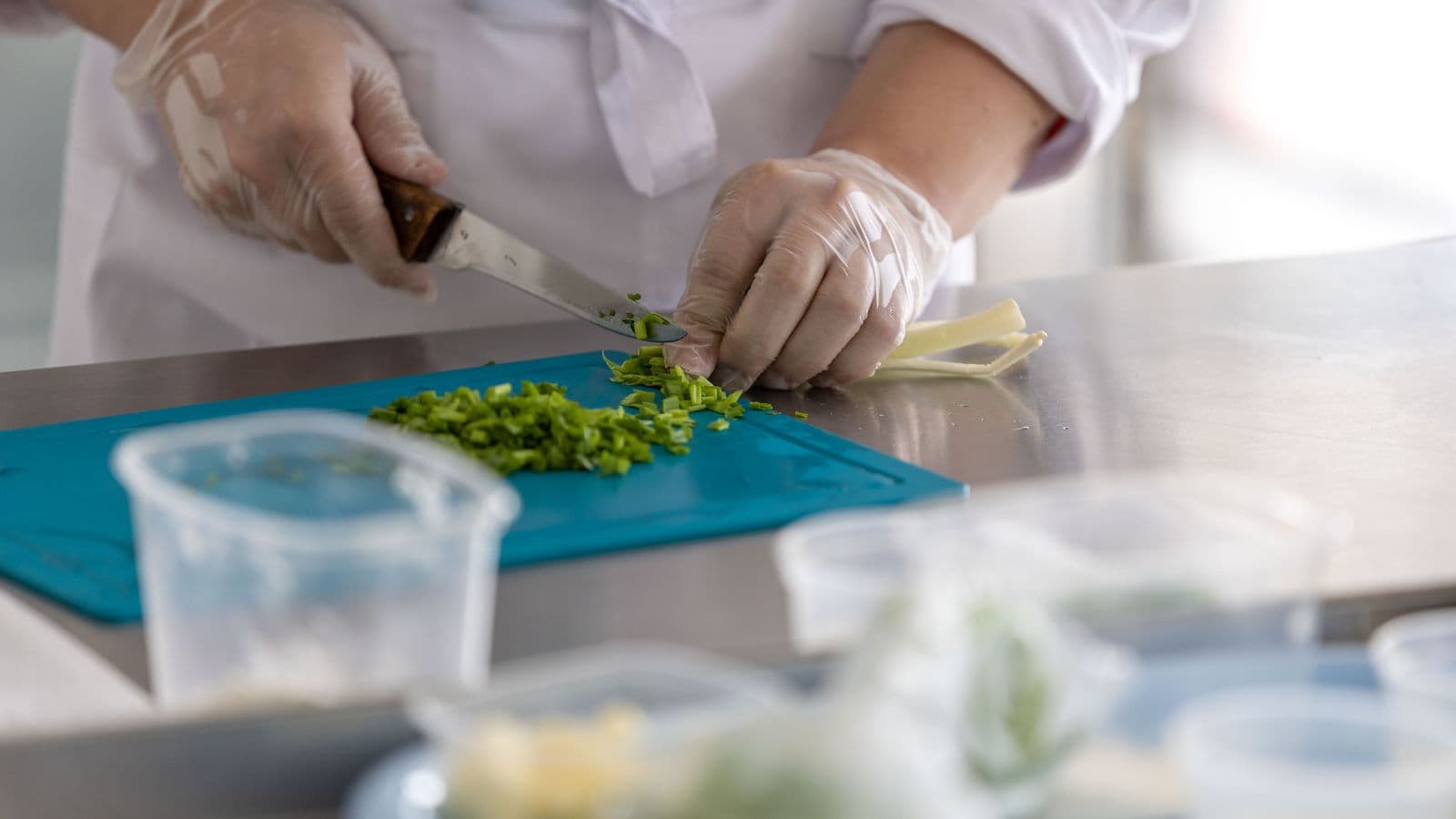
- Arrange the mise en place: weigh and chop ingredients into bowls or bags, ordered by when you’ll use them.
- Set timers for the main resting or cooking periods and begin the first step.
This routine will change your dinner. If you like, print it or save it on your phone and use it as a reminder until it becomes automatic.
What to do when the recipe is a video or lacks clear quantities
Videos are convenient but often don’t show quantities or skip steps. Before trying a recipe seen on Instagram or TikTok:
- Find the written source, if it exists, or quickly transcribe the visible quantities.
- Check the comments or the video description: sometimes there’s a link to the full recipe.
- If you find yourself rewatching the same reel four times to catch a single amount, it’s worth reading about why you do that: read this post on Why you rewatch the same reel four times to catch the amount for practical strategies.
If you want to avoid rewriting everything from the video, there are tools that turn links or photos into a structured recipe much faster than you could by hand. It’s a useful option when you save lots of recipes from social media.
For practical tips on saving recipes from videos without repeatedly rewatching them, also read Saving recipes from YouTube without rewatching the video and Saving recipes from Instagram and actually finding them again.
Common mistakes and how to avoid them
- Not accounting for cooling times: if a cake must be removed from its tin only when cold, mark that as a separate step.
- Using different measures without adapting: teaspoons, grams and cups aren’t interchangeable without checking.
- Skipping the author’s notes: they often contain tips on textures or ingredient alternatives.
A small trick: if the recipe includes a photo of the finished dish, look at it before you start. It gives you an idea of the desired texture and colour, so you can tell if the cooking is right as you go.
Brief note on portions: when you change quantities, bear in mind proportions of salt and yeast. For technique and exact numbers see the guide on how to recalculate quantities: Recalculating a recipe’s quantities: rules and practical numbers.
What to do now
Open the recipe you want to try and run through the checklist in order: ingredients, times, equipment, sequence, portions. If it’s a video and you want to save time, there are options that convert links or images into written recipes in seconds — they can be a good help when you save lots of content. If you’re interested in that kind of help, you can take a look at Cucinario.
Give it a go with your next recipe: five minutes of checks at the start and an evening without interruptions.