Cooking with children: dinner ready in 40 minutes
Practical plan to cook with kids and have dinner ready in 40 minutes: tasks by age, quick recipe ideas, a timed step-by-step routine and safety tips.
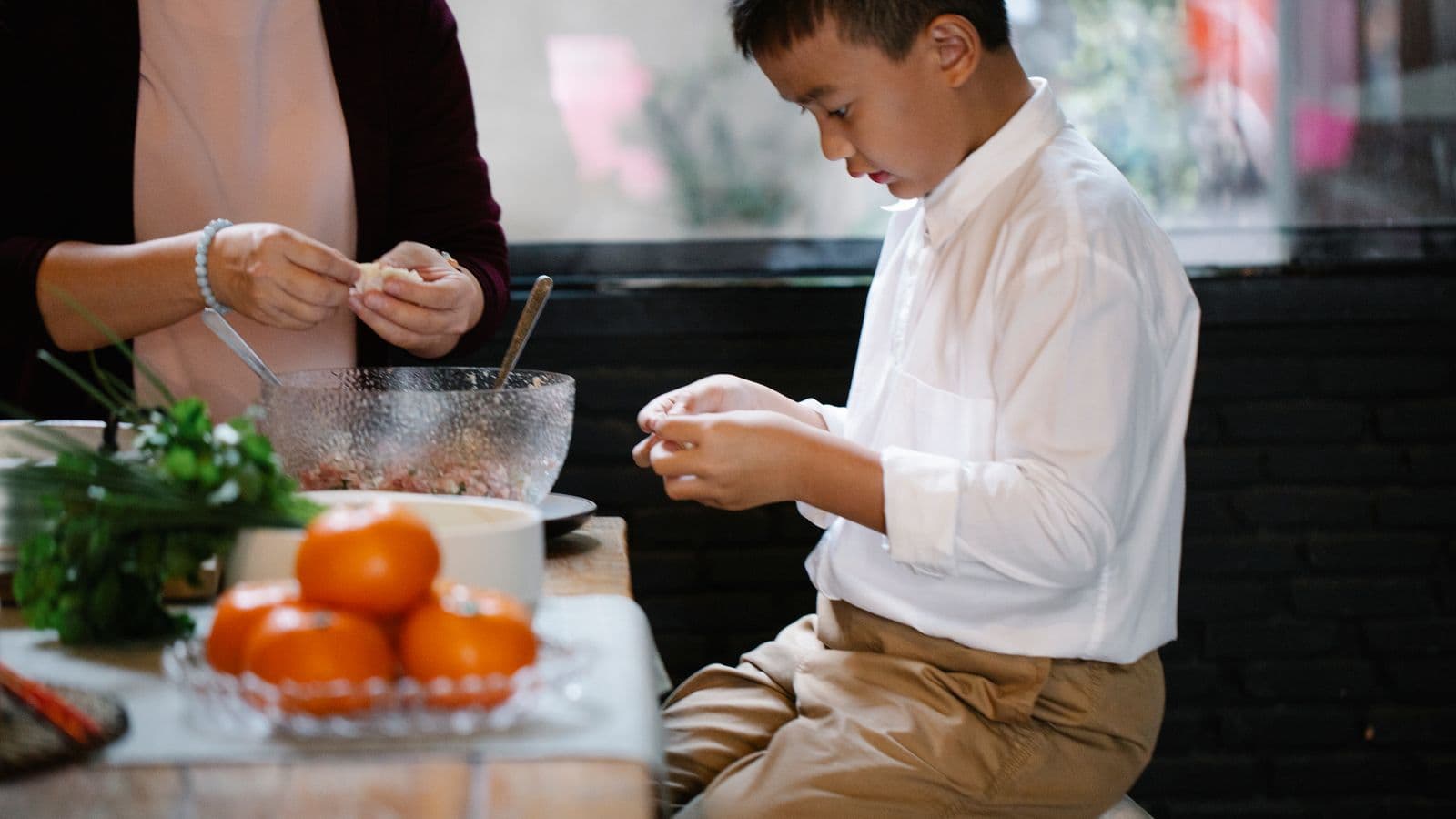
Photo: Angela Roma · Pexels
If you're at home in the evening with forty minutes before the children start complaining, want to involve them but don't want to compromise dinner, this article shows how to choose tasks by age, what should remain your responsibility and a concrete plan that really works.
Split the recipe by age: what children can and can't do
Decide the task list straight away based on age: little ones help wash and mix, older children remove seeds, weigh and cut with safe tools; you keep the oven, the sharp knife and long cooking steps. Clear roles prevent confusion and let you finish within the time.
Explain each role before you begin. Demonstrate every single movement once, then let the children repeat under your supervision. Prepare stations: a washing area, a mixing area and a plating area. Use appropriately sized utensils (children's knives, non-slip boards) and make sure everyone has an apron or short sleeves.
Quick recipes suitable for cooking with children
Choose recipes with a few repeated steps and separate components: for example tacos, rice bowls, baked frittata or filled sandwiches. These dishes let children do simple tasks without holding up the parts that need your attention.
Practical examples: for tacos, the children chop tomatoes that have been roughly cut, mix the salsa and toast the tortillas (under supervision). For a bowl, one child cooks the rice, another slices the avocado and the smallest puts the cooked proteins into the bowls. If you have many recipes saved from social media or WhatsApp and don't know which to choose, read how to sort and find saved recipes here: Too many saved recipes? Cook just one tonight.
40-minute step-by-step plan (numbered procedure)
This is the practical plan we use when we really have very little time. Follow it and assign tasks straight away: you handle the dangerous parts and synchronise the timings.
- 0–5 minutes: selection and preparation. Choose the recipe and explain the tasks. Put everything on the table: ingredients measured and utensils ready.
- 5–15 minutes: washing and simple cutting. Little children wash vegetables; older ones cut into large chunks. You slice or finely chop the ingredients that require precision.
- 15–25 minutes: short cooking and assembly. Put on the hob or in the oven whatever needs supervision. Children mix, knead or assemble cold dishes.
- 25–35 minutes: finishing touches and partial clean-up. Children help put dishes in the sink and sweep up crumbs. You check the cooking and add final touches.
- 35–40 minutes: plate and serve. The youngest arrange portions, the older ones add garnishes. You serve and keep final control.
Practical tip: use visible timers for each phase. If you want a guide to manage several timers at once when there are three preparations, take a look at Kitchen timers: handle three preparations without mistakes.
What you should always handle: safety, temperatures and precise cuts
Never delegate: sharp adult knives, very hot pans, deep fryers and sauces that are boiling. Even some steps that seem simple can ruin the result: mincing herbs too finely, over-salting or overcooking meat are adult responsibilities.
Explain why they can't touch certain things: use short, practical language ("This is the oven part, I handle it"). If you want to allow more autonomy without risk, prepare simplified versions of ingredients: grated carrots instead of julienne, pre-grated cheeses, or chicken fillets cut into strips by the parent beforehand.
Frequently asked questions
At what age can children use knives?
With children's knives and supervision, children aged 6–8 can learn to cut soft foods like banana or cheese. First teach the correct grip and the "claw" technique. More advanced cuts and sharp knives remain the adult's responsibility.
How do I recover if dinner is running over 40 minutes?
Choose a quick plan B: heat a ready base (bread, pre-cooked rice, passata), add a pre-cooked protein or a tin of legumes, and quickly make a fresh tomato-and-basil sauce. Delegating simple tasks to the children speeds everything up.
How do I keep the children's enthusiasm without it becoming chaos?
Give clear, short and visible tasks: one child one task at a time. Use timers and small non-food rewards (let them pick the dinner soundtrack, or choose the plate). Keep the rules fixed: no one at the stove without an adult.
Can I prepare everything during the day and involve them only in the evening?
Yes: many steps—chopping, marinades, cold bases—can be done in advance. Children can handle the last 10–15 minutes instead: assembling, garnishing and plating. This keeps them involved without the pressure of cooking.
Does cooking with children always require simple recipes?
Not necessarily: you can break complex recipes into small tasks suitable for different ages. Keep at least one adult coordinating critical parts like cooking and cutting: the complexity can be divided, but the responsibility remains yours.
Finish like this: one small step to do tonight
Choose a simple recipe or one component (rice, pasta, marinated chicken) and prepare everything in a bowl with the children: washing, mixing, plating. If you'd rather skip writing the DIY instructions yourself, you can share a link or a photo of that recipe in an app on your phone that turns it into a list of steps and a shopping list in seconds, like Cucinario.
Enjoy dinner: pick a small task for each person and start right away.