How to tell if a recipe in a video really works
Spot quick signals that a cooking video recipe was actually tested, and follow a simple 6-step mini-test to check ingredients, textures and timings before trying it.

Photo: KATRIN BOLOVTSOVA · Pexels
slug: how-to-test-video-recipes
You’re watching a cooking video: perfect music, quick cuts, an irresistible final dish. You wonder if it will turn out the same when you try it. You’re not alone: many creators only show the pretty part. Here you’ll find concrete signals that say “this works” or “beware”, and a quick test you can do right away.
First quick check: what to look for in 30 seconds
Watch the video looking for concrete elements: written quantities, visible pots and measuring tools, timings and the state of the preparation. If you find practical details and shots of the texture of doughs or cooking stages, the recipe is more likely to have been tried and documented. If it’s all aesthetics, treat it with caution.
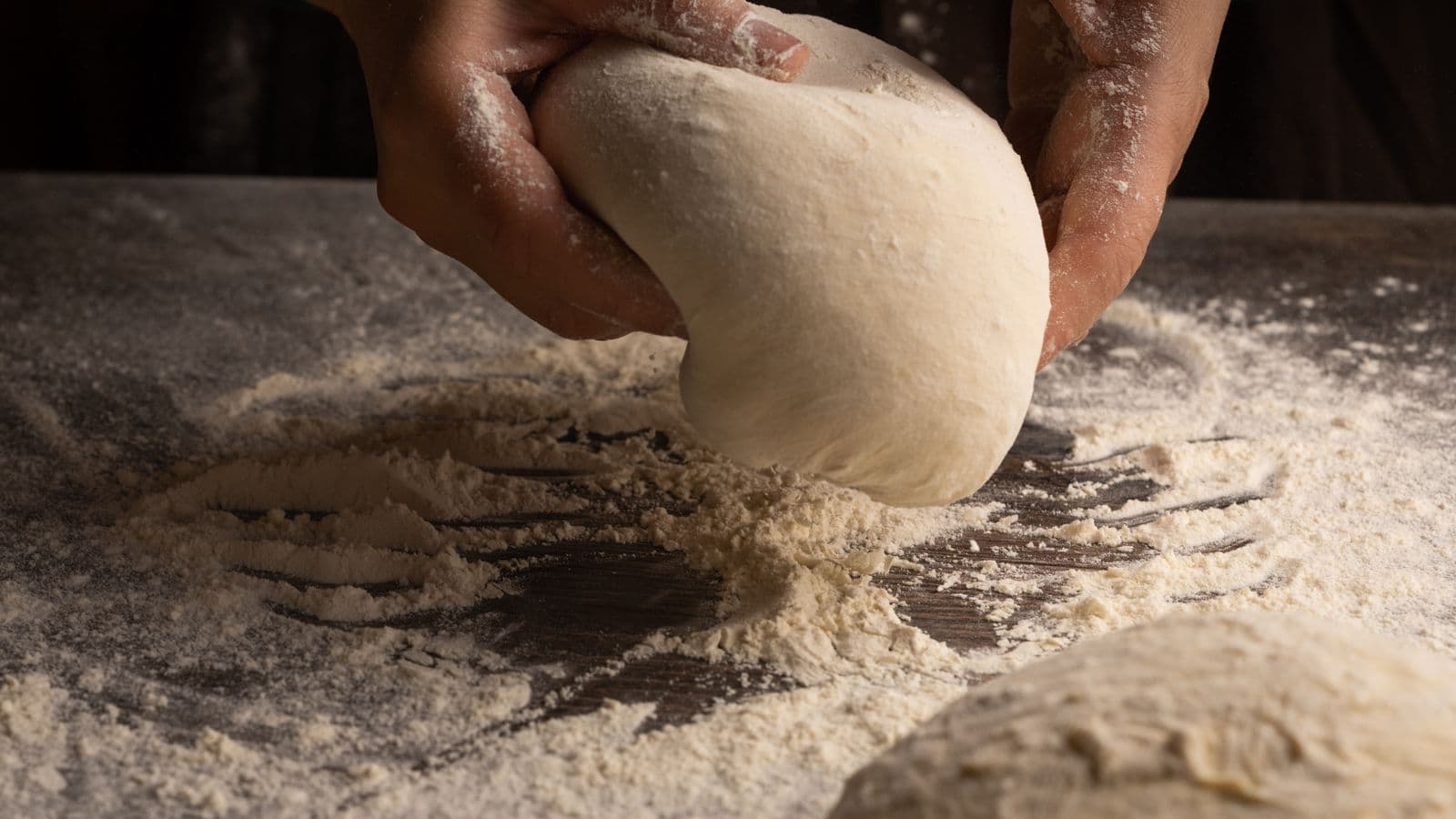
To be clearer: try to see the creator showing the texture (soft dough, thick sauces, active bubbles), the size of the pan or tray, and real timings alongside the work. A shot of the scales or measuring cup is a very strong signal. Note what’s missing before you attempt it.
Signs the recipe was actually tested
A tested recipe shows more than a nice picture: it shows mistakes, corrections, different angles of the result and precise instructions. The use of simple technical terms and the repetition of essential steps (e.g. "mix until...") are also clues that the creator tested it and didn’t just imagine it.
Practical things to look for: a video with the full version of the preparation, close-ups of the final texture, the creator’s comments on how to adjust salt or cooking, and examples of how the result looks at different moments. When you see on-the-fly adjustments (more flour, different oven time), it means the author experimented.
Signs the recipe might not work
If quantities, timings and equipment details are missing, or if the video skips crucial steps (rises, resting times, temperatures), consider the recipe unreliable until proven otherwise. Videos made purely for aesthetics often hide key steps that determine success.
Other things to avoid: vague "as needed" without reference to texture, quick cuts that don’t show the finished dough, and only shots of the final plating. Recipes that just show scattered ingredients without a clear sequence are also risky. Always look for an explanation of how each stage should look.
Quick test at home: a 6-step procedure
If you want to understand without investing too much energy, follow this mini practical test that uncovers the critical points before a full attempt.
- Watch the video and transcribe the ingredients in the order they’re used. If quantities are missing, estimate them (see section below).
- Identify three steps that seem decisive (e.g. dough, cooking, assembly). Find what’s missing for each.
- Do a small-scale test: use half or a quarter of the quantities and a smaller container.
- Check texture/colour/smell against the video at each step and note the differences.
- If something doesn’t match, change only one element at a time: more flour, less liquid, 2–3 minutes more/less cooking.
- If the small test works, scale up to the full recipe; otherwise look for an alternative version of the same dish.
This method saves you from wasting ingredients. You can also consult the quick substitution guide for immediate alternatives if you’re missing an ingredient: Ingredient substitutions: the practical list that works.
What to do when the recipe has no quantities or is superficial
Don’t give up: turn the video into a workable recipe. Write the ingredients down in the order they appear, make an initial estimate of quantities based on the containers shown, then test on a small scale following the procedure above. Keep your notes for next time.
If you prefer not to estimate from scratch, save the video or page and check whether the creator has published the full recipe elsewhere; often there’s a link in the bio or description. If you want a quicker way to get ingredients, quantities and steps in a clear format, you can try a service that extracts the recipe from a link or from photos in seconds — it can be useful when the video lacks practical details.
Frequently asked questions
How can I tell if a video recipe was tested?
Look for practical clues: live corrections, close-ups of texture, visible times and measures, and different versions of the result. If the creator shows a failed attempt and then the corrected version, it’s a clear sign the recipe was experimented with and adjusted until it worked.
What do I look at in the quantities when no measurements are written?
Assess the size of bowls, measuring cups and trays shown. Compare liquid and dry ingredients to understand proportions (e.g. more flour by weight than liquid). Always do a reduced test: half the quantity or less, so you limit errors and understand the real proportions.
Are the video comments reliable for figuring out if it works?
Comments can give indications but aren’t definitive proof: they’re often personal opinions or unanswered questions. Use comments as clues, not as truth. Look for people describing a repeated technical problem (rising, cooking) — that helps identify where the risk is greatest.
Should I trust very popular creators?
Popularity doesn’t guarantee technical accuracy. Some creators are great at presenting beautiful dishes but pay little attention to practical details. Assess the same signals: quantities, shown mistakes, and clarity of steps. Creators with many well-explained recipes are generally more reliable.
Can I turn a video into a recipe I use every time?
Yes: save the video, transcribe ingredients and steps, do one or two tests and note corrections. Keep the version that works for you. If you want to automate the process, there are tools that extract quantities and steps from links or photos in seconds; they’re handy when you don’t have time to transcribe manually.
To save and organise the videos and screenshots you find interesting, you might find it useful to tidy up your camera roll: Recipe screenshots in your camera roll: how to organise them and not lose them. If you often save recipes from Instagram, read how to actually find them again here: Saving recipes from Instagram and actually finding them again.
Finish with one thing to do: take the next video you like and run the small test observing three things: quantities, texture and time. If you want to skip manual transcription, try getting the structured recipe directly from the link or a photo to compare quantities and steps straight away.