Plan your weekly meals in 10 minutes
A practical 10-minute method to plan your week's meals: the 5-dish rule, a short modular shopping list and simple meal-prep steps to save time and cut food waste.
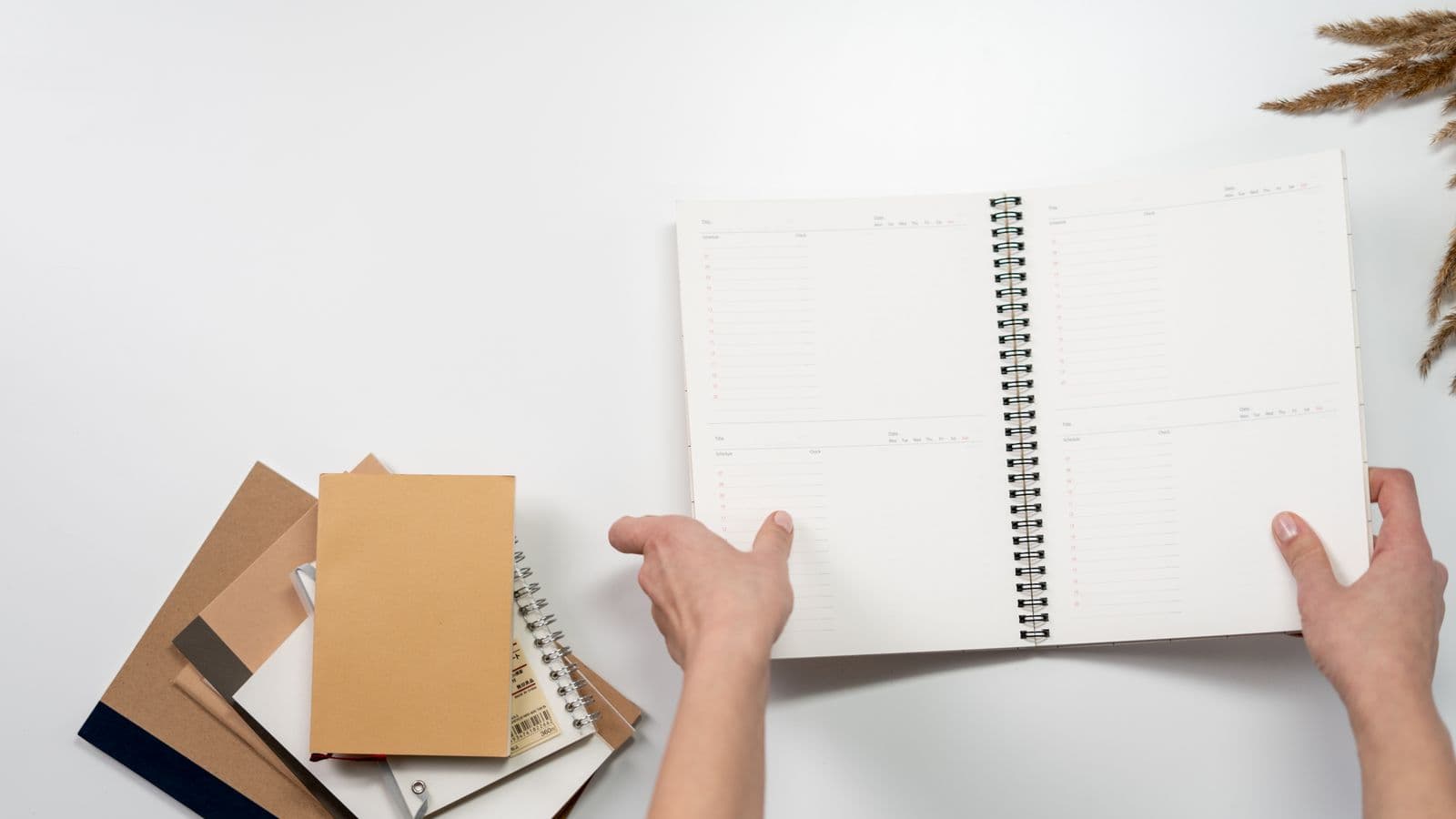
Photo: cottonbro studio · Pexels
If you're tired of weekly plans that look like catering projects, this is for you. You have little time in the evening and need a method that holds up until Wednesday (and sudden hunger). Here is a light, practical and repeatable version: it takes ten minutes and you won't be caught unprepared during the week.
5-dish rule: the practical core
Don't plan 14 different recipes. Choose 5 dishes that combine well together. It works like this:
- 3 different main dishes (e.g. pasta with tomato and chickpeas, roast chicken, lentil soup).
- 1 "reuse" dish (e.g. a bowl with leftover chicken + vegetables + grains).
- 1 free evening (takeaway, pizza or eating out).
With this scheme you cover 7 evenings without stressing. Repeats aren't boring: they save time and reduce waste. Use a single protein across two recipes (e.g. roast chicken, then in a bowl) and one or two grains that you cook in one go.
The basic shopping list in 10 minutes (practical trick)
You need a list that is short and modular. Open the fridge and write these five categories: proteins, vegetables, grains, condiments, extras (cheese, nuts, lemons).
Then do this:
- For each dish, note only the unique item (e.g. canned chickpeas; if a recipe always uses the same aromatics, don't repeat them).
- Group by category: all vegetables together, all proteins together.
- Eliminate duplicates: if two recipes call for 1 onion, buy one large onion instead of two small ones.
If you want to automate grouping in future, read how to merge ingredients from multiple recipes: Combine ingredients from three recipes and make the shopping list.
Ten minutes for your weekly plan: step‑by‑step procedure
Follow these steps and you'll have the plan and the shopping list in exactly 10 minutes.
- Grab paper and pen or open a note on your phone. Set a timer for 10 minutes.
- Choose 3 main dishes you can make in under 45 minutes.
- Decide on a reuse dish (e.g. omelette with leftovers, bowl, vegetable soup).
- Mark one free evening for going out or using leftovers.
- For each dish, write only the unique ingredient list. Don't specify quantities yet.
- Group ingredients by aisle: produce, chilled section, pantry, frozen.
- If you know the number of people, scale the portions: for quick tricks on estimating by eye or using practical rules, read Scaling recipe quantities: rules and practical numbers.
- Save the note with a standard name (e.g. "Meals Mon-Sun 15/9") and go shopping.
That's it. Ten well-spent minutes and you'll go to the supermarket with clarity.
Meal prep that really frees up your evenings (what to do and what not to do)
Not everything is worth preparing in advance. Focus on a few high-impact actions:
- Cook a large batch of protein (chicken, lentils, chickpeas). They last 3–4 days.
- Cook a grain (rice, farro) in one pot: it keeps and is useful for bowls or sides.
- Chop vegetables for 2–3 days (carrots, peppers, celery). Don't chop tomatoes or herbs too far ahead.
- Make a dressing or vinaigrette: it lasts and transforms quick dishes.
- Don't cook complete dishes if you know you prefer fresh plates: it's better to assemble.
Practical example: Sunday, 45 minutes
- 25 minutes: roast chicken with spices (put half in the fridge).
- 10 minutes: cook 300 g of farro.
- 10 minutes: wash and chop carrots, cucumbers, peppers.
With this you have the basics ready for salads, bowls and quick dinners.
Where to store recipes and how to find them without going crazy
If you save recipes from videos or Instagram, the problem isn't planning but finding the correct list again. You can do it without extra apps with these methods:
- Create a bookmarks folder in your browser or in the Notes app and save the link with a short title (e.g. "lemon chicken — 4 servings").
- Take a screenshot of the ingredient list: rename it with a date or short name (e.g. "bowl-salmon"). On iPhone you can also add a tag in Photos.
- Use a single note called "Saved recipes" and paste the link + 2 keywords.
If you often rely on videos and want a faster way to turn a link into an ingredient list and steps, there's an option that does exactly that: share the video link and receive a structured recipe back in a few seconds. It can be a good shortcut when you have many saves and only want to extract quantities and ingredients.
For tips on saving recipes from Instagram without losing them, read Save recipes from Instagram and actually find them. If you need recipes always available offline, take a look at Cooking offline: how to always have recipes offline.
Small mistakes that ruin your plan (and how to avoid them)
- Mistake: planning recipes that take too long. Solution: have at least 2 dishes under 30 minutes.
- Mistake: buying too many fresh vegetables and not using leftovers. Solution: one "reuse" evening and simple preserves (sauce, legumes).
- Mistake: not indicating portions. Solution: write how many people you're planning for; if it changes, use the scaling method.
Conclusion: one thing to do now
Pick up your phone. Set a timer for 10 minutes. Follow the numbered procedure above and create your plan for next week. You'll have less stress, less waste and more evenings where you don't ask "what's for dinner?".