Meal prep without eating the same thing
Prepare separate components - proteins, starches and veg - to mix and match across the week. Save time, cut waste and vary dishes with a few versatile sauces.
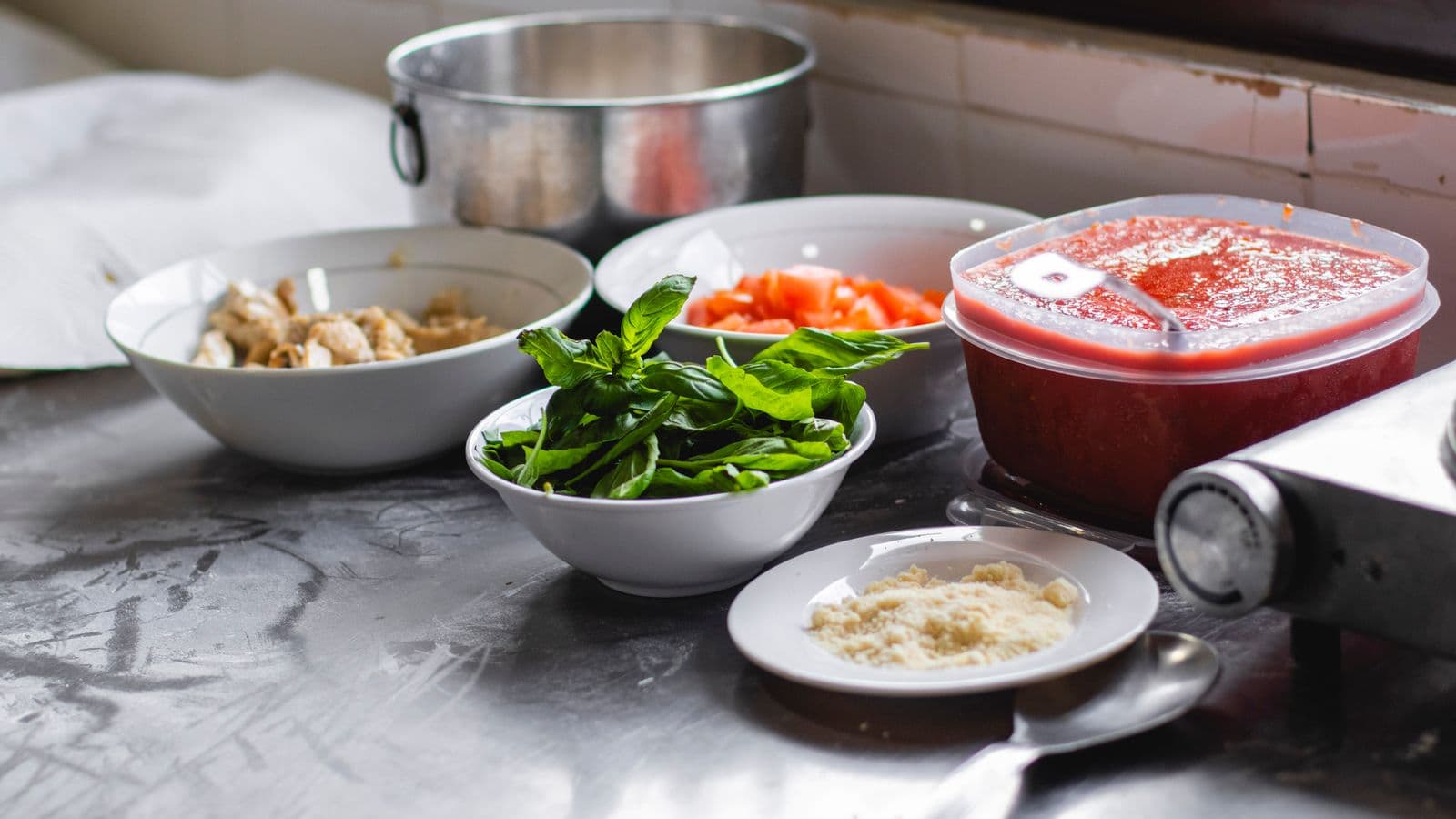
Photo: Rodolfo Quirós · Pexels
Have you tried meal prep and by Wednesday find yourself fed up with the same reheated salad? It's no mystery: cooking complete dishes in advance reduces variety. The solution is simple and immediate: prepare separate components and assemble them at the moment.
Why prepare components instead of finished dishes
Answer: Preparing components rather than complete dishes gives you more variety and less waste. Cook proteins, starches and vegetables separately: combine them in different ways over the following days. Instead of eating the same portion every day, change dressings, sauces and combinations in a few minutes.
Preparing components means that on Monday you can have rice + chicken + roasted vegetables; on Wednesday the same elements become a bowl with Thai sauce, and on Friday you use them for a wrap with hummus. It takes little organisation: choose three proteins, two starches and several vegetables, and three versatile sauces.
If you draw inspiration from videos saved on Instagram or TikTok, this article on how to save recipes from Instagram and actually find them explains how not to lose the ideas. And if you have lots of tutorial videos, Cucinario can turn the links into structured recipes quickly: it's a practical trick to move from idea to shopping list.
What to cook in advance: the basic list to avoid getting bored
Answer: Focus on three groups: simple proteins (chicken, tuna, legumes), starches that hold up well (rice, potatoes, quinoa) and vegetables in two versions (roasted and ready-to-eat raw). Add 2–3 different sauces or dressings to quickly change the plate's profile.
Practical examples:
- Proteins: roasted diced chicken breast; spiced chickpeas; baked salmon.
- Starches: basmati rice, roast potatoes, short pasta cooked al dente.
- Vegetables: roasted mix (peppers, courgettes), ready mixed salad, sautéed spinach.
- Sauces: olive oil and lemon vinaigrette, tahini or hummus, a spicy sauce or flavoured soy sauce.
These choices work for salads, bowls, tacos, pasta and sandwiches. If you want ideas for combining different ingredients and making an efficient shopping list, read Combine ingredients from three recipes and make the shopping list.
How to organise 90 minutes for batch-cooking (procedure)
Answer: Set aside ninety minutes of work with a four-phase plan: do targeted shopping, cook proteins first, start starches and then vegetables, finally cool and portion. With a staggered sequence you save time and the kitchen stays tidy; the paragraph below explains the concrete steps.
- Prepare the list: choose 3 proteins, 2 starches and 3 types of vegetables; add 3 sauces.
- Place the first tray in the oven (proteins or vegetables that require more time).
- Start the main starch (rice or potatoes) while the oven is running.
- Cook quick proteins in a pan or in the oven and season immediately.
- Sauté or blanch the more delicate vegetables (spinach, broccoli) in the last 10 minutes.
- Cool quickly: spread the ingredients on trays to speed up cooling.
- Portion into airtight containers, keeping sauces and dressings separate.
- Clean as you wait for the next cooking stage to keep the pace.
Use timers for each phase and start with the component that takes the longest. If you want to practise with more than one preparation at once, this article on kitchen timers: managing three preparations without mistakes explains how to stagger the timing.
Storage and practical portioning
Answer: Store components in airtight glass or BPA-free plastic containers. Put sauces and dressings separately. Label each container with the date and portion. Keep fragile ingredients separate and add fresh herbs only at the moment of eating to preserve aroma and texture.
Shelf life and quick tips:
- Cooked proteins: 3–4 days in the fridge; freeze them if you want to keep them longer.
- Starches: 3–4 days, better if cooled quickly.
- Roasted vegetables: 3–4 days; ready raw vegetables (salads) 2–3 days.
Portion with meals in mind: combine 1 part protein, 1 part starch and 1–2 parts vegetable for a balanced meal. If you're worried about waste, make slightly smaller portions and top up with fresh vegetables on the day.
Practical tips to avoid getting bored during the week
Answer: Change the flavour profile instead of changing everything. Three different sauces and three base dishes allow dozens of combinations. Use spices, fresh herbs and textures (creamy, crunchy) to make each meal feel new, even though you only cooked once.
Other tricks: keep a 'flavour basket' in the fridge with olives, grated cheese, lime, toasted seeds and dried chilli. Add them at the last moment to transform a bowl in seconds. If you have a lot of saved recipes and don't know where to start, read Too many saved recipes? Cook just one tonight for a practical approach.
Frequently asked questions
How long do prepared components last in the fridge?
In the fridge, cooked proteins and starches stay good for about three to four days if well covered and cooled quickly. Roasted vegetables have a similar shelf life; salads that are already dressed will go off sooner. If you want to keep them longer, freeze single portions and defrost the day before.
Can I reheat vegetables multiple times?
It's better to reheat only once: each reheating changes texture and nutrients. If you expect multiple reheatings, keep some raw vegetables ready to add cold or only reheat single portions. For baked dishes, reheat at most once for optimal quality.
How do I calculate portions for the week?
Estimate portions by counting the meals you need to cover: multiply the number of ready meals needed per day. For a balanced meal aim for 1 part protein, 1 part starch and 1–2 parts vegetable. Always prepare a couple of extra portions for emergencies or guests.
What if I want to vary things mid-week?
Leave a couple of meals unplanned or keep ingredients that transform easily: bread for sandwiches, tortillas, or a neutral soup base. A change of sauce or the addition of a cheese or a fresh marinade is often enough to make the dish feel completely different.
Done: now choose three proteins and one starch, do a targeted shopping and set aside 90 minutes this evening. The trick is to cook with the goal of combinations, not finished dishes. Happy cooking.