Storing leftovers: safe fridge times and when to toss
Practical guidance on how long common leftovers keep in the fridge, steps to decide whether to keep or discard them, and tips to store them safely.
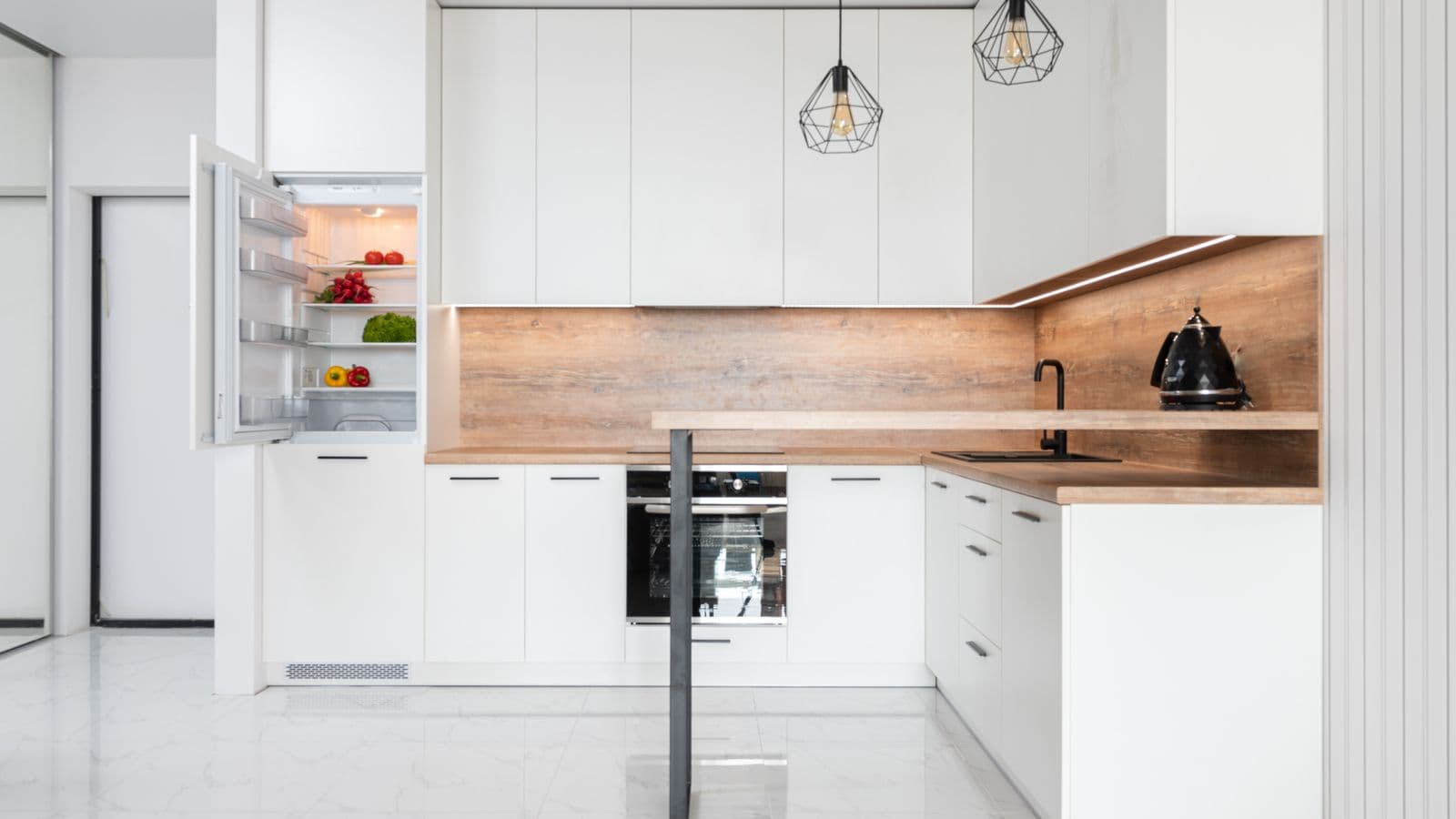
Photo: Max Vakhtbovych · Pexels
If you have a tray of lasagne or a bowl of salad leftover and you don't want to throw away food that's still good, you need a clear answer. Here you’ll find the practical times by category and then a step-by-step procedure to decide whether to keep or toss.
Quick table: how long leftovers last in the fridge
Use this list as a practical rule. The durations refer to a correctly set fridge (below 4 °C). When in doubt, see the procedure in the next section.
- Cooked meat or poultry dishes (roasts, stews, cooked chicken): 3-4 days.
- Soups, stews, sauces (broths, ragù): 3-4 days.
- Cooked fish and seafood: 2-3 days.
- Cooked rice and pasta: 3-4 days (cool quickly).
- Pizza and cooked-cheese dishes: 3-4 days.
- Salads with mayonnaise, cream-based dressings or fish (e.g. tuna salad): 1-2 days.
- Plain vegetable salads without dressing: 3-5 days.
- Hard-boiled eggs (in shell): up to 1 week.
- Frozen leftovers (if frozen immediately): much longer storage; once thawed in the fridge, use within 24 hours.
- Foods with visible mould: throw them away, except for some aged cheeses (see below).
Note: aged cheeses keep much longer than ricotta or mascarpone. Fresh dairy products should be consumed within a few days of opening.
How to decide whether to throw away or keep: 6-step procedure
If you need a quick answer for a specific leftover, follow these steps in order:
- Check the date: how long has it been in the fridge? If it’s past the time in the table, throw it away.
- Where has it been kept? If it sat at room temperature for more than 2 hours (or 1 hour in a very hot place), throw it away.
- Examine the appearance: mould, pronounced discolouration, cloudy liquid are signs it should be discarded. Throw it away.
- Smell it: an unpleasant, sour, or mouldy odour is a reason to throw it away. Your nose is reliable.
- Touch/taste with caution only if the previous steps are OK: if the texture is slimy or slippery, discard it.
- If it's a perishable food by nature (salads with mayonnaise, fish, creams), be more conservative: when in doubt, throw it away.
This procedure is not a shortcut for ignoring dates: it's a practical way to decide when precise information is missing.
How to store leftovers to make them last longer
Small measures make the times in the table more realistic in your kitchen.
- Cool quickly: don't leave the tray at room temperature for more than 1-2 hours. Use shallow, low containers to disperse heat.
- Airtight containers and single-serving portions reduce oxidation and cross-contamination.
- Label with the date: write 'prepared on' on the package. It's the easiest way not to rely on memory.
- Keep the fridge below 4 °C: it's the most important variable. If you're not sure of the temperature, a fridge thermometer is cheap and useful.
- Don't overcrowd: circulating cold air is necessary. Too many things piled up raise the internal temperature.
- Freeze if you won't eat them within the times: most cooked dishes freeze well and can last for months; thaw them in the fridge before reheating.
What to look for by category (quick note)
- Raw meat: poultry and minced meat should be used or frozen within 1-2 days; steaks and roasts within 3-5 days.
- Fresh fish: 1-2 days in the fridge. Cooked fish: 2-3 days.
- Rice: cool it quickly; if left out it can develop heat-resistant bacteria. Follow the 6-step procedure.
- Salads: last longer without dressing; with sauces and dairy up to a maximum of 1-2 days.
Practical ideas if you can't eat everything
If time is short and you want to avoid waste, you have quick options:
- Freeze in ready-to-use portions.
- Turn a leftover into a new dish (e.g. soup into sauce, shredded roast for tacos).
- Plan a 'use leftovers' night and pair with quick side dishes.
For quick ideas on turning leftovers into concrete recipes, this guide can help you choose an easy dinner tonight: Too many saved recipes? Cook just one tonight. If you want to use leftover ingredients to plan the week's shopping, read how to combine ingredients from three recipes and make the shopping list. And if you need a substitute for a finished ingredient, check the practical list of substitutions.
If you want a tool that turns a saved video recipe into ready ingredients and steps, Cucinario can import the link and return the structured recipe — useful when you want to repurpose a leftover quickly.
One rule to remember (and what to do now)
Simple rule: if the dish is within 3-4 days and has been cooled and stored correctly, it's generally safe. For more delicate foods (fish, salads with mayonnaise), use 1-2 days. If it has been left out for more than 2 hours, throw it away.
Immediate action: check the date on the label (if you made one), smell the leftover and apply the 6-step procedure. If you're unsure, freeze it right away or discard it — better to lose a leftover than risk food poisoning.
Common sense, quick cooling and labelling solve most doubts. If you want an idea to turn that mysterious container into dinner, open a quick guide and choose a recipe to use tonight.